Keeping it clean with magnetic filtration
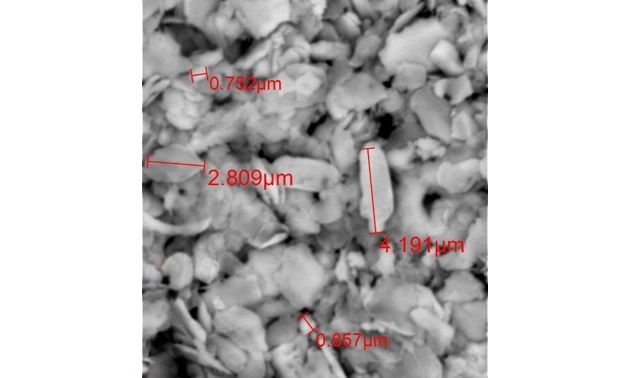
1 of 2OEI high flow kidney loop filtration system. — Photo courtesy of One Eye Industries2 of 2Trapped particles ranging in size down to below 1 micr
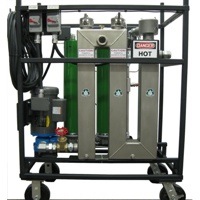
1 of 2OEI high flow kidney loop filtration system. — Photo courtesy of One Eye Industries
Dirty hydraulic fluid with an ISO of 25/24/16 was a problem for a diamond mine north of Yellowknife, and it was a problem that its traditional filtration system was unable to solve. The company employed 5500 Komatsu shovels running with a 4500 PSI hydraulic system that was not meeting the company's required minimum ISO standard of 18/16/13.
Mark Robillard of Kingland Ford Mining Division, a distributor for One Eye Industries (OEI), suggested the mining company employ the OEI high-flow magnetic filtration skid, and OEI agreed to guarantee the minimum ISO standard.
“Patented rare earth magnetic technology used in these filtration systems allows the product to remove both ferrous and non-ferrous contamination to sub-micron levels,” said Roger Simonson, president of One Eye Industries. “The most damaging and constant contaminant in hydraulic and lubrication systems that causes the majority of premature wear and equipment failure is ferrous metal under 10 microns in size.”
Although OEI magnetic filtration has been on the market for 14 years, the company created a new kidney loop design to attack this particular problem in a restricted three-hour time frame. On its trial run, fluid samples were taken before and after operation and sent to three independent labs. Common results showed that not only had OEI met the anticipated standards, but exceeded them, retaining a cleanliness level of 17/14/10.
The three-stage filtration kidney loop incorporates a 24-inch dual stage scrubber and two ADD-Vantage 9000 series dual stage magnetic reusable filters. Each filter has a differential pressure gauge that identifies the cleaning cycle and a dirt-holding capacity of 10-plus pounds. Each element has a one-plus pound capacity for increased cleaning intervals of six months to one year.
At the diamond mine, the analyzed contamination on the magnetic filter rods identified ferrous (88 per cent) and non-ferrous (12 per cent, mainly consisting of carbon and calcium) contaminants ranging from 100-plus microns to sub-micron in size.
“The diamond mine maintenance manager is very pleased with the results and is incorporating other OEI filtration solutions,” said Simonson. “Due to the fact that hydraulic systems operate at under one micron tolerance, the anticipated life on maintained equipment will be significantly increased.”
Cleaner fuel and lubricants result in reduced maintenance costs and increased productivity, and an extended filtration system life that can mean a one- to two-year payback and an extra eight years of service.
For further information please visit oneeyeindustries.com or email [email protected].