Discover by Category
Technology.
Advancements in technology used in mining and exploration are allowing companies to improve the bottom line and even revisit mine sites and properties that had previously been deemed unprofitable. And in order to move towards operating wit...
178 stories
Finding revenues in waste rock
MineSense, a mining technology startup led by CEO Jeff More since 2015, has reached commercialization phase with its first full-scale ore sorting system entering commissioning. The company's ShovelSense and BeltSense systems use machine learning to identify valuable ore in real-time, allowing mines to recover revenue from material that would otherwise be discarded as waste.
Artificial intelligence solves mining challenges
Vancouver-based Motion Metrics International Corp. has successfully expanded into Alberta's oilsands market by applying artificial intelligence and deep learning to overcome operational challenges with sticky, abrasive materials. The technology company is developing new products including BeltMetrics for conveyor belt monitoring and exploring future applications in autonomous shovels and space mining.
Innovation is alive and well at Kal Tire Mining Group
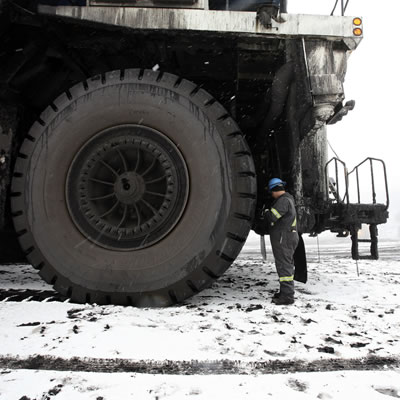
Kal Tire Mining Group has developed four innovative tools to improve safety and productivity for mining tire technicians, including a Gravity Assist System, Ram Mounts, Lock Ring Lifter and Spreader, and Power Cart. The innovations address fatigue and safety risks associated with servicing massive mining truck tires that weigh 5,454 kilograms each and cost $75,000 per tire.
Pandell: A basement start-up success story
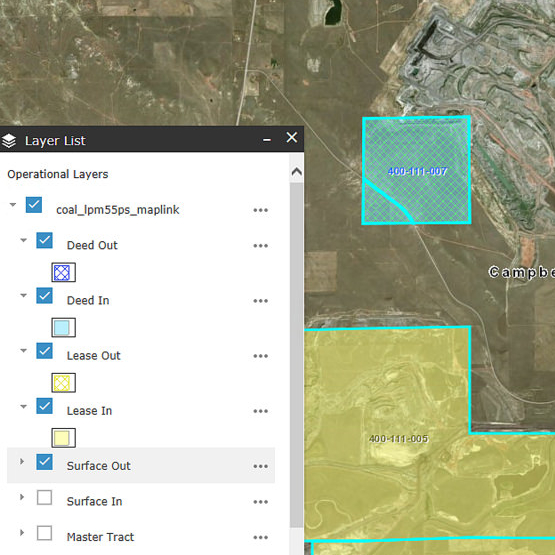
Pandell, a Calgary-based software company, has grown from a two-person basement startup in 1997 to 180 employees serving 500 clients globally. The company acquired LandWorks Inc. in January 2018 to expand their GIS mapping and land management solutions into mining, renewables, and utilities beyond their traditional oil and gas focus.
Teleop solutions work to eliminate mine site dangers and inefficiencies
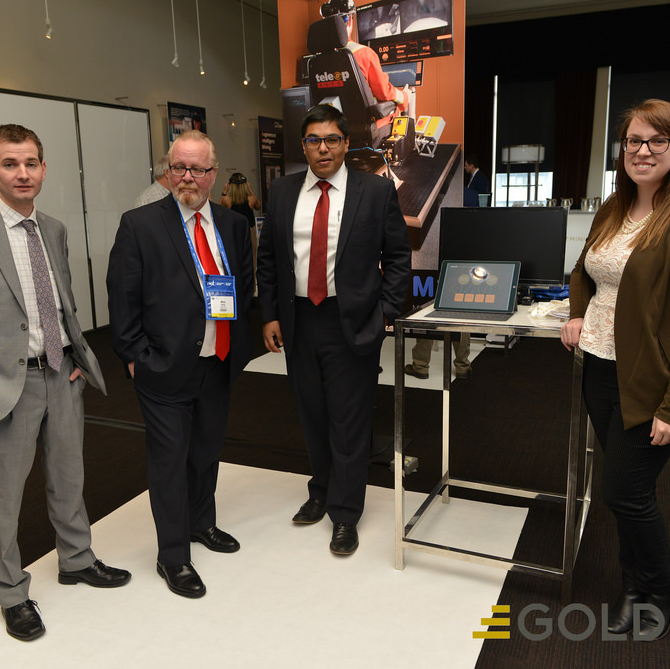
Hard-Line, an Ontario-based mining technology company, is developing AI-integrated teleop solutions that allow operators to control mining equipment remotely from surface or offices worldwide. The company's technology increases mine safety and production by removing operators from underground hazards while enabling control of autonomous equipment fleets.
Affordable tech marvels dominate greenest vehicles list
The American Council for an Energy-Efficient Economy released its 21st annual GreenerCars vehicle ratings, with the Hyundai Ioniq Electric topping the list with a record Green Score of 70. The report highlights the growing availability of affordable electric vehicles, including the Tesla Model 3 and Chevrolet Bolt, both priced under $40,000 with over 200-mile range. For the third consecutive year, all vehicles on the Greenest List feature some form of electric powertrain.
Rock Star: Steve de Jong, CEO of VRify
Steve de Jong, the new CEO of VRify, is developing virtual mine site tour technology after successfully leading Integra Gold from a $10 million company to a $590 million sale. VRify creates interactive 360-degree virtual tours that allow stakeholders to explore mine sites remotely, eliminating costly site visits while providing comprehensive project information.
Mining and Energy’s 10 most-read stories of 2017
Mining and Energy magazine published their top 10 most-read articles from 2017, covering diverse topics from mine development in BC's East Kootenay region to geothermal energy projects. The retrospective highlights industry interest in renewable energy, First Nations partnerships, and technological innovations like 3D printing for mining applications.
Competing for cobalt
Cruz Cobalt is developing nine cobalt prospects in Ontario after evaluating 250 mineral files, capitalizing on growing demand for battery materials as the world seeks alternatives to Congo-sourced cobalt. The company reports strong international interest, particularly from China, with buyers willing to purchase all battery-grade cobalt production.
The future of mining: MiHR discusses employment opportunities
The Mining Industry Human Resources Council (MiHR) released its 2017 Canadian Mining Labour Market Outlook showing the industry currently employs 190,000 people and will need to recruit 90,000 new workers over the next decade. The majority of new hires will replace retiring workers, with only 12,000 positions driven by industry growth, highlighting significant workforce transition challenges ahead.
3-D printing innovation in engineering
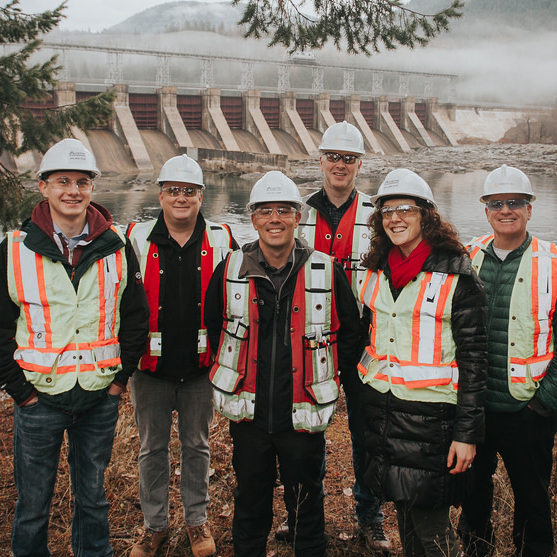
FortisBC is upgrading the historic Corra Linn hydroelectric dam on the Kootenay River for $63 million, replacing 14 spillway gates and reinforcing the structure to meet new seismic standards by 2021. Austin Engineering and Selkirk College developed innovative 3-D printed models for project design and stakeholder engagement, winning a Clean Energy BC Operational Excellence award.
Exploring eDNA
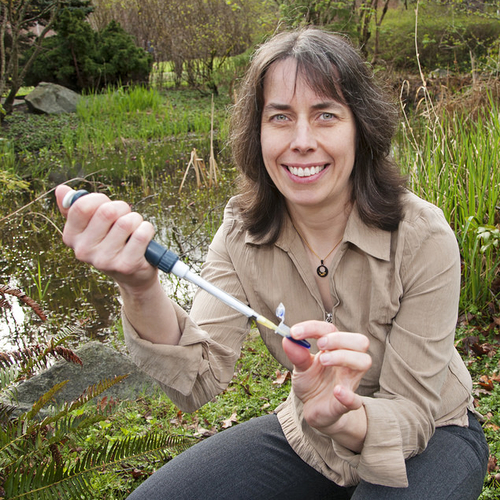
The BC Innovation Council awarded $185,000 to University of Victoria researcher Dr. Caren Helbing to develop standardized environmental DNA (eDNA) monitoring techniques for the mining and energy sectors. The three-year project aims to improve species detection accuracy for environmental assessments, particularly for threatened and endangered species, by developing more reliable methods than traditional field surveys.
Major renewable energy company focuses on Alberta
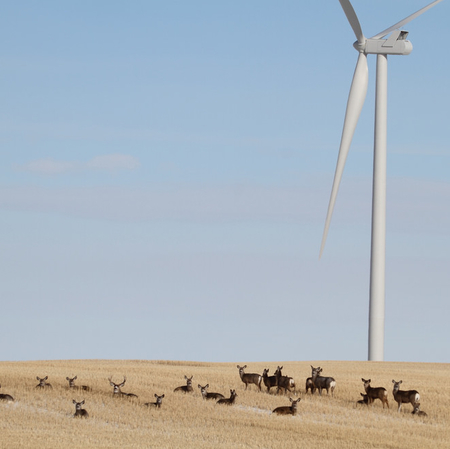
EDF EN Canada is developing the Vulcan Solar Energy Project adjacent to its existing 300-megawatt Blackspring Ridge Wind Farm near Lethbridge, leveraging shared infrastructure to reduce costs. The company is positioning itself for Alberta's Renewable Energy Program, which aims to procure 5,000 megawatts of renewable capacity with the first round allocating 400 megawatts.
Federal government to invest almost $1 billion to encourage more job-creation by Canadian companies
The Canadian federal government announced a $950 million Supercluster program to create innovation hubs and jobs, with mining organizations CEMI and CMIC making the shortlist for their CLEER proposal focused on sustainable, zero-waste mining. The program received 50 proposals representing over 1,000 firms, with five winners to be selected in early 2018 for funding over five years.
Efficient hot water production with SubCom®
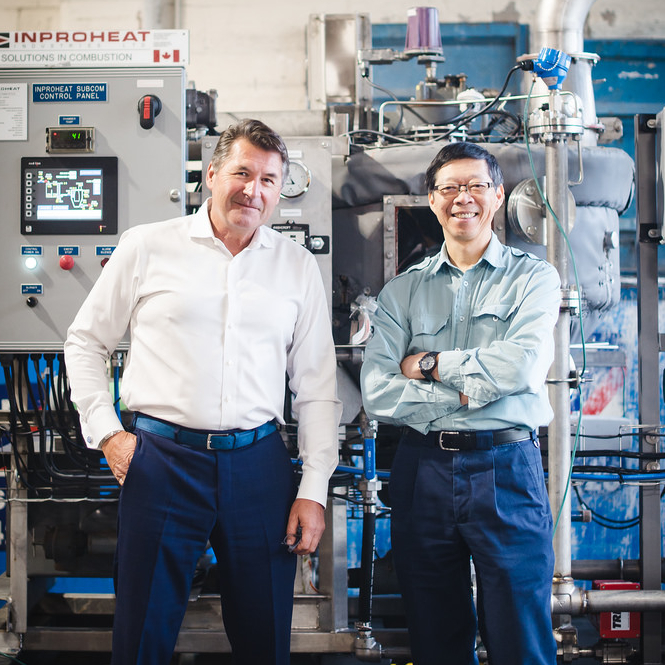
Inproheat has advanced to the final sprint phase of the ARCTIC Challenge with its SubCom® submerged combustion technology for hot water production in oilsands operations. The company is demonstrating 10-15% efficiency gains while reducing greenhouse gas emissions for bitumen extraction processes.
BC Innovation Council awards $735,000 to fund market-driven research
The BC Innovation Council awarded $735,000 through its BCIC Ignite Awards program to four British Columbia research projects focused on environmental monitoring, structural engineering, wastewater treatment, and life sciences. The awards support industry-driven academic research that must be commercially viable and market-ready within three years.
The future is here
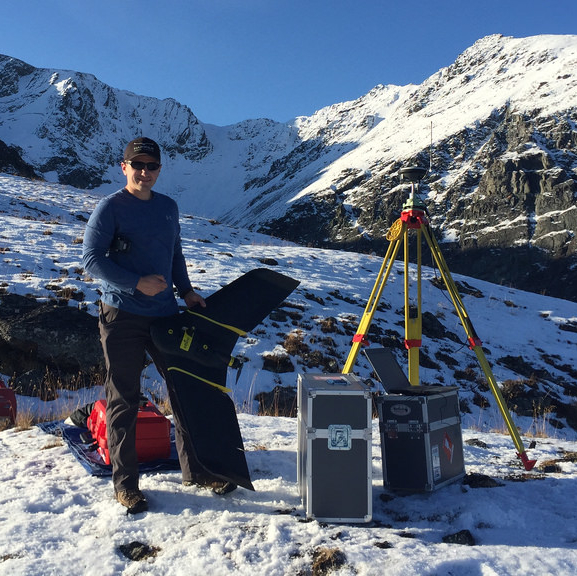
Harrier Aerial Surveys, a UAV remote sensing company, is using drone technology and photogrammetry to create 3D maps and digital elevation models for mining clients. The company recently completed a six square kilometre mapping project for GT Goldcorp near Terrace, BC, demonstrating the technology's potential to enhance exploration and mine planning across all stages of mining operations.
Carbon a key issue as global miners prepare to meet with renewables and low-carbon energy experts
The 5th annual Energy and Mines World Congress will take place November 27-28 in Toronto, bringing together global mining leaders and renewable energy experts to address carbon emissions and energy challenges in mining. Over 50 speakers from major companies including Barrick Gold, Newmont, and Anglo American will discuss low-carbon solutions and renewable energy adoption in mining operations.
Bridging the gap between academia and industry
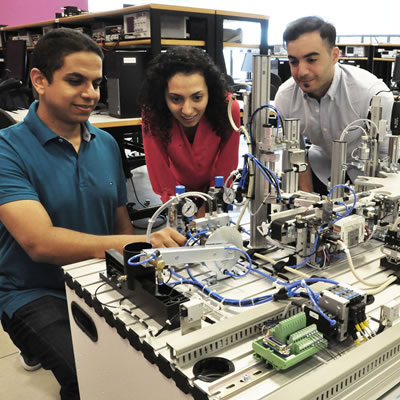
Simon Fraser University partnered with Siemens Canada to launch the Siemens Mechatronics Systems Certification Program, becoming one of only two Canadian universities to offer this certification at the university level. The program provides hands-on training with state-of-the-art mechatronics equipment, with 70% practical application and 30% theory, aimed at bridging the gap between academic learning and industry requirements.
Fostering creative solutions to sustainability challenges
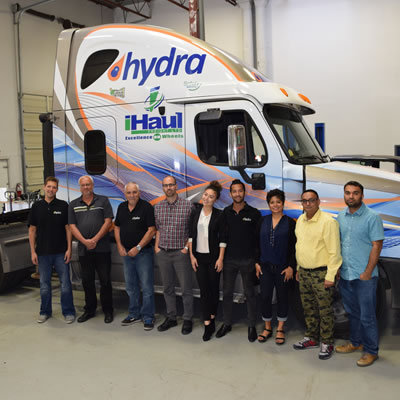
Foresight Cleantech Accelerator Centre, a BC-based non-profit, is connecting clean technology companies with resource industry challenges through its ARCTIC program. The accelerator has helped over 50 companies develop sustainable solutions including waste hydrogen capture for trucking and waste heat recovery for oil sands operations.
Rock Star David McLelland: The mastermind behind remote sensing technology
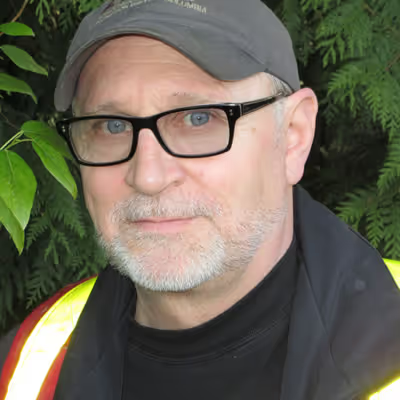
David McLelland founded Auracle Remote Sensing in 2009, developing advanced satellite radar technology for monitoring infrastructure movement in mining and energy sectors. His company fills a critical gap in geospatial applications by combining radar and optical data to provide precise movement detection around railways, pipelines, and mining operations.
Geospatial science and underground mapping can predict geohazards
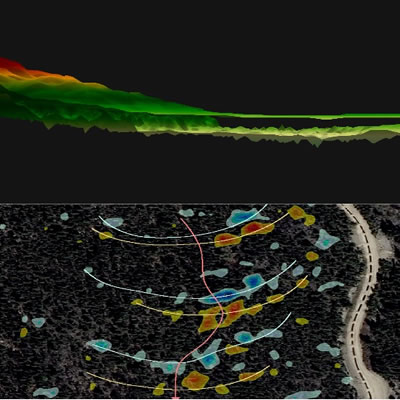
Auracle Remote Sensing has developed geospatial technology that can map underground geology to bedrock level and detect minute geological changes over time. The technology uses satellite radar and optical data to predict geohazards and monitor infrastructure including pipelines, with applications across mining and oil & gas industries.
Drone Delivery Canada achieves major milestone towards commercialization with successful BVLOS test
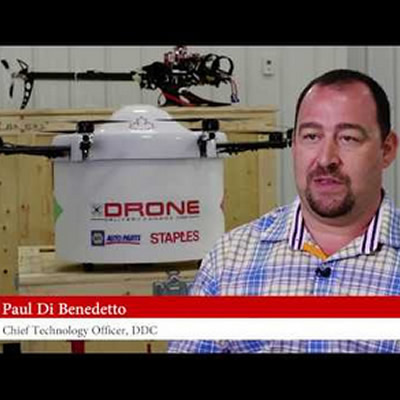
Drone Delivery Canada Corp. became the first company in Canada to successfully complete Beyond Visual Line of Sight (BVLOS) test flights in Foremost, Alberta, after receiving a Special Flight Operating Certificate from Transport Canada. This major milestone clears the path for commercial operations expected to begin in Q1 2018, with the company planning to operate under a SaaS revenue model.
New life for old technology
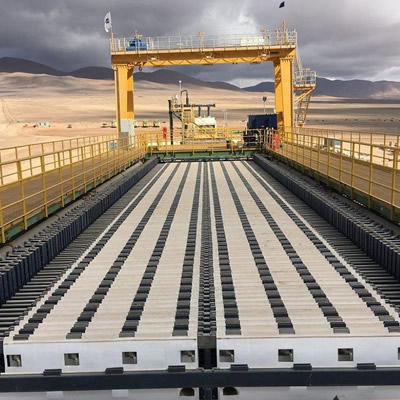
FLSmidth is developing large-scale filtration systems for tailings management to reduce environmental risks and operating costs. The company is demonstrating new filter press technology in Chile with commercial availability expected by year-end, while also advancing dry processing technologies like HPGR and VRM that reduce water consumption.
Discover by Category
Better Bathymetry - We Can’t Be Beached!
Amphibious and remotely operated, HELIX rovers capture high-resolution bathymetry data where traditional survey methods fail—shorelines, tailings ponds, and hard-to-reach waters.
Explore Better BathymetrySponsored by Copperstone Tech