
Updated March 2026 — Profile
Tony Beets:
Real Life Rock Star
Veteran gold miner, Discovery Channel icon, and the self-proclaimed "King of the Dredges" — Tony Beets has spent four decades pulling gold from Yukon gravel and entertaining millions along the way.
"There are three kinds of people in the world: those who make things happen, those who wait for things to happen, and those who wonder what the hell just happened."
— Tony Beets
Chapter 1
From a Dutch Farm to the Klondike
Whether or not he would succeed was never a question for Tony Beets. It was only a matter of when and how. Now 66 years old and deep into Season 16 of Gold Rush, Beets is still proving the doubters wrong.
Beets's determination goes back to his early teen years in the Netherlands. After his father suffered a debilitating accident, Beets had to take over the family farm in the rural village of Wijdenes, which meant he often found himself in charge of men more than twice his age.
"I became the boss at a very early age. So I decided I had to become equal or better than the people who worked for me. My whole life, wherever I went, if I wasn't a foreman within a week... well, I've always kept one step ahead of the rest of them."
Skeptical about the future of farming in the Netherlands, Beets and his new wife Minnie emigrated to Canada in 1980, reportedly with just $300 between them. He started on a dairy farm near Salmon Arm, B.C., then exchanged the milking machines for Alberta oil pipelines before finally landing a job in a Yukon gold mine.
He hasn't looked back since.
Chapter 2
Building an Empire in the Yukon
Today, Beets owns one of the largest privately held placer gold mines in the territory. Through his company Tamarack Inc., he holds 337 placer claims in the Klondike region near Dawson City — the same ground that sparked the legendary gold rush of 1896. His net worth is estimated between $15 million and $20 million, built almost entirely from decades of pulling gold out of Yukon gravel.
But if anyone thinks he's riding the gravy train to riches, they can think again. Throughout the seven-month mining season, Beets and his crew work 12 to 14 hours a day, often in punishing weather, battling constant breakdowns and the clock.
"You only have X amount of time in the season to be successful, so you'd better be determined and get out of bed every morning and put in your seven days a week. Gold mining is a hands-on operation. If you're not out there every day, it's not going to happen."
Despite such heroic efforts, success is never guaranteed. "I have years where I think I'm on good ground, but at the end of the day we have trouble paying our bills. The ground is always determining your fate."
Chapter 3
The King of the Dredges
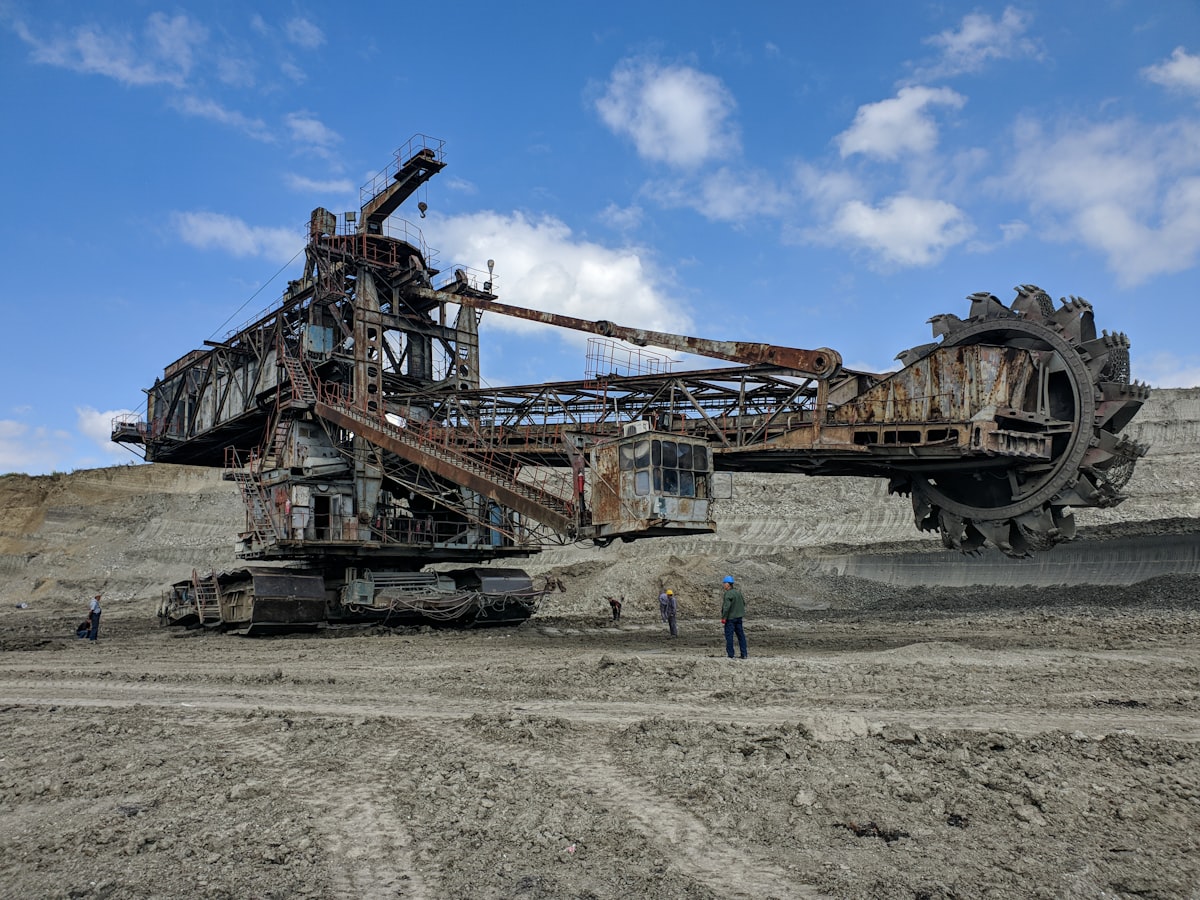
What sets Beets apart from most Yukon placer miners is his mastery of bucket-line dredging — a large-scale extraction method that most operators abandoned decades ago. His most famous gamble was purchasing a 75-year-old gold dredge, originally built in the late 1930s in California and later shipped to the Yukon.
Signature Achievement
That bet paid off. The dredge became a centrepiece of both his mining operation and his storyline on Gold Rush, earning Beets the nickname "King of the Dredges." Where most modern placer miners rely on excavators and wash plants, Beets runs industrial-scale dredges that can process massive volumes of gold-bearing gravel.
In Season 16, his operations span multiple sites including Indian River and Paradise Hill, with his son Mike overseeing the trommel operation at Paradise Hill and cousin Mike handling Indian River. The scale is staggering: thousands of ounces of gold per season, pulled from ground that has been worked and reworked for over a century.
Chapter 4
A Family Operation
One of the perks of owning his operation is the opportunity to employ family members. Beets works alongside his wife Minnie — who handles the financial and administrative side — and their children Monica, Kevin, Mike, and Bianca have all been involved.
"I'm harder on them than I would be on any employee. I work them hard and I expect a lot, but I pay them fair."
Season 16 has put the family dynamic under pressure. Kevin is navigating personnel challenges in his second season as a mine boss. Mike has battled one equipment issue after another getting the trommel running at Paradise Hill. And seven crew members defected from Tony's operation to rival miner Parker Schnabel — a dramatic blow during the critical stretch of the season.
Despite the tough love and the gruelling schedule, his children keep coming back each season. "Either they like me or they like my money," Beets said. "Either way, it's great to have them around."
Related Profile
Parker Schnabel: Gold Rush's Youngest Mining Boss →The kid who used his college fund, poached Tony's crew, and became the Klondike's top producer.
The Bigger Picture
Gold Rush & the Klondike Revival
With gold trading above $5,100 per ounce and Yukon placer miners reporting record-breaking production, the timing could not be better for operators like Beets.
Placer Gold (2024-25)
~99,000 crude oz
Revenue (2025)
$449M+
YoY Production Increase
+34%
Active Operations
156 territory-wide
Dawson District Share
~70% of all activity
Gold Price
$5,100+/oz
In His Own Words
Advice for the Next Generation
While Beets thinks it's a risky time for newcomers to enter the business, he does not believe it is impossible. However, he encourages prospective prospectors to think small.
"The smaller guys make just as much if not more than we do, because their input costs are lower. If you can get a piece of ground, I suggest that you concentrate on keeping your costs down. Don't go for 5,000 ounces; go for 1,000. Your overhead will be smaller, and you'll take home just as much."
A little bit of good luck doesn't hurt either, but Beets is the last person to leave success to chance. "You have to give luck a little bit of a hand. Get out of bed a couple of minutes before everybody else. Don't just talk about it. You gotta get out there and make it happen."
At a Glance
Full Name
Tony Beets
Born
December 15, 1959
Birthplace
Wijdenes, Netherlands
Age
66
Company
Tamarack Inc.
Location
Dawson City, Yukon
Claims
337 placer claims in the Klondike region
Est. Net Worth
$15–20 million
In This Article
Timeline
Related Guides
Parker Schnabel: Gold Rush's Youngest Mining Boss
More than 3 days ago
Satellite Insights into Mining’s Ecological Impact
More than 3 days ago
The Future of Mining Site Development: Reducing Downtime with Smart Surveying & Monitoring
More than 3 days ago
Westshore Terminals Coal Fire 2024
More than 3 days ago