Updated March 2026
The Iran Effect
Canada is the world's fourth-largest oil producer and fifth in natural gas. We are a net energy exporter by a massive margin. And yet, every time conflict erupts in the Middle East, Canadians watch gas prices climb past $1.75 a litre and ask the same question: why? The answer is structural, layered, and — for most Canadians — deeply frustrating.
The Iran Conflict & Global Energy
Strait of Hormuz
~20% of world oil
Iran Production
3.2M bbl/day
Brent Spike
US$95+/bbl
LNG Through Strait
~25% of global
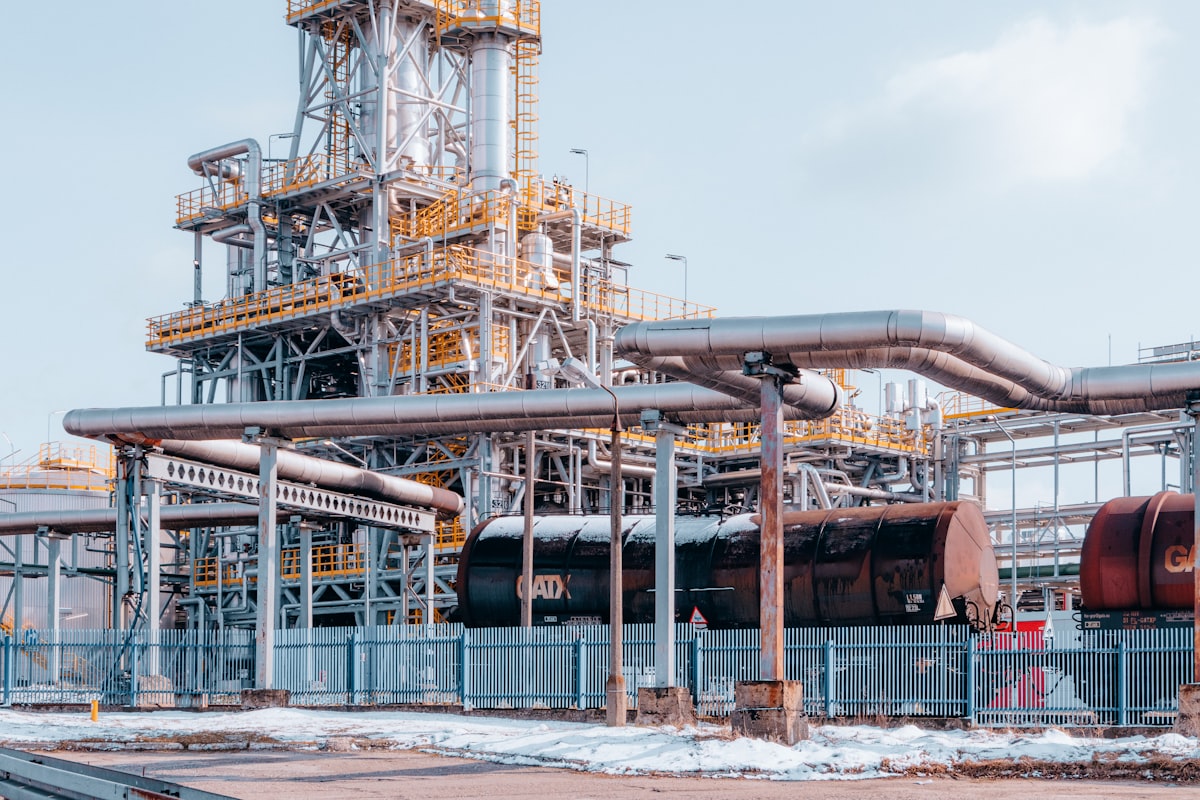
The escalating conflict between Iran and the U.S.-backed coalition has thrown global energy markets into crisis. Iran controls the northern shore of the Strait of Hormuz — the 33-kilometre chokepoint through which approximately 20% of the world's oil and 25% of global LNG passes every day. When Iran threatened to close the strait in early 2025, Brent crude spiked above US$95 within hours. Even partial disruptions — insurance surcharges on tankers, rerouted shipping, sanctioned cargoes — ripple through the entire global pricing chain within days.
Context
The conflict has also disrupted Qatar's massive LNG export operation — the world's largest — which ships through the same strait. Qatar supplies approximately 33% of the global helium market and a significant share of Asian LNG. The cascading effect has tightened natural gas markets from Tokyo to Toronto.
How Global Prices Are Set
Global Benchmark
Brent Crude
N. American Benchmark
WTI (Cushing, OK)
Canadian Crude
WCS (discount to WTI)
WCS Discount
US$12–18/bbl
Here's the uncomfortable truth: Canada does not set its own oil or gas prices. Canadian crude (Western Canadian Select) is priced at a discount to West Texas Intermediate (WTI), which itself is benchmarked against Brent — the global reference price set by trading desks in London, New York, and Singapore. When conflict in the Middle East pushes Brent up by $10/barrel, WTI follows within hours, and every Canadian barrel — regardless of where it was pumped — reprices accordingly.
Context
Refineries in Ontario and Quebec import significant volumes of foreign crude — shipped via tanker to the Saint Lawrence and by pipeline from the U.S. Midwest — meaning eastern Canadian fuel prices are directly tethered to global markets. Even Alberta, which sits on the oil, sees pump prices rise because producers can sell their crude at the higher global price rather than discount it for domestic consumers.
The Canadian Paradox
Oil Production
5.9M bbl/day
Global Rank (Oil)
#4
Global Rank (Gas)
#5
Net Exporter?
Yes — by far
Canada produces 5.9 million barrels of oil per day — making it the world's #4 producer behind the U.S., Saudi Arabia, and Russia. It is also the #5 natural gas producer globally. And yet, Canadians pay some of the highest fuel prices in the developed world. This isn't a supply problem. It's a structural one.
Context
The structural drivers are layered. First, the federal carbon tax adds 17.6¢/L (at $80/tonne in 2025). Provincial fuel taxes add another 10–25¢/L depending on jurisdiction. Second, Canada has limited refinery capacity — most crude is exported raw and re-imported as refined product, adding transportation and margin costs. Third, pipeline constraints historically forced western crude to sell at steep discounts, reducing revenue without lowering pump prices for consumers. The Trans Mountain Expansion (TMX), which came online in 2024, has helped narrow the WCS discount but hasn't meaningfully reduced retail prices.
Regional Price Map
Vancouver
$1.85–1.95/L
Calgary
$1.50–1.60/L
Toronto
$1.65–1.75/L
Montreal
$1.75–1.85/L
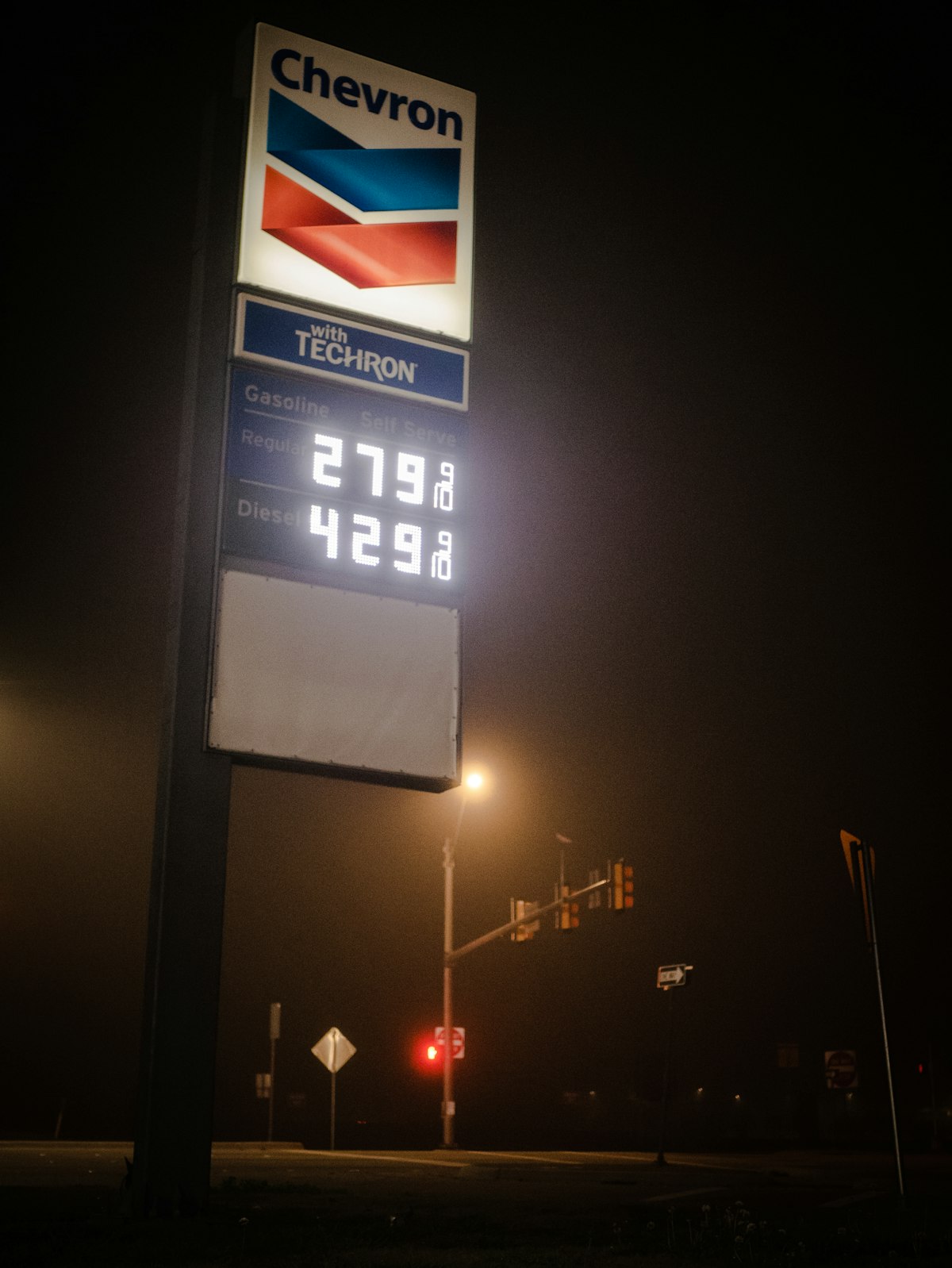
Gas prices vary wildly across Canada — by as much as 40¢/L between provinces — not because of supply differences, but because of taxes, refinery access, and market competition. Understanding why Vancouver pays $1.90+ while Calgary pays $1.55 reveals the structural forces at play.
British Columbia
$1.85–1.95/LB.C. levies the highest provincial fuel taxes in Canada, including its own carbon tax (predating the federal one), a transit tax in Metro Vancouver, and a low-carbon fuel standard surcharge. Despite having refineries in Burnaby and Prince George, B.C. remains a net fuel importer from Alberta and Washington State.
Alberta
$1.50–1.60/LAlberta suspended its provincial fuel tax in 2022 and has kept it low since. Proximity to refineries in Edmonton (the Scotford complex, Sturgeon Refinery, Imperial Strathcona) and abundant supply keep prices the lowest in Canada. Alberta is the only province where pump prices somewhat reflect domestic production.
Ontario
$1.65–1.75/LOntario has significant refinery capacity (Imperial Sarnia, Suncor Sarnia, Shell Brockville) but also imports crude from the U.S. and overseas. The province's fuel tax is moderate, but the federal carbon levy and HST push pump prices above $1.70 in the GTA during peak demand.
Quebec
$1.75–1.85/LQuebec has only two refineries (Suncor Montreal, Valero Lévis) for a population of 8.9 million. The province imports crude via the Portland-Montreal pipeline and by tanker on the Saint Lawrence. Higher provincial taxes and limited refinery competition keep prices elevated.
Atlantic Canada
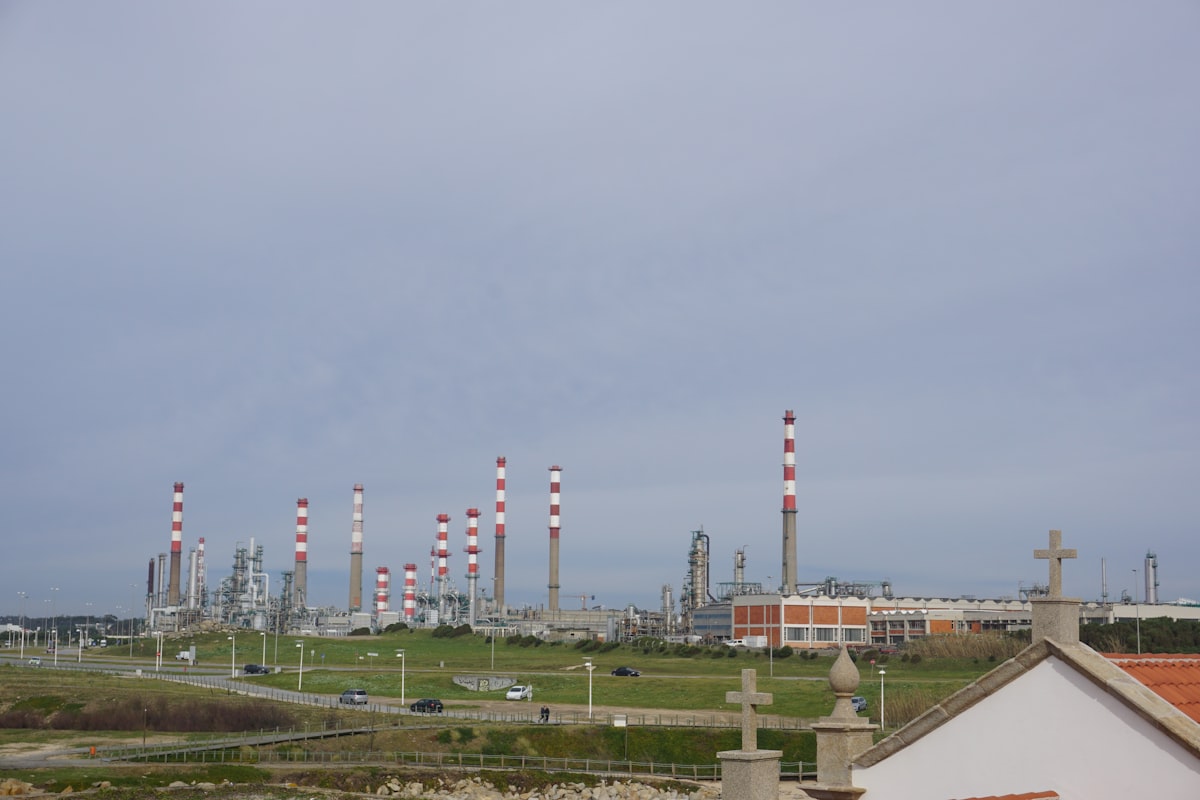
$1.70–1.80/LNew Brunswick's Irving Oil refinery in Saint John is the largest in Canada (320,000 bbl/day) and supplies much of the region. However, Atlantic provinces are import-dependent and fully exposed to global crude pricing. Newfoundland and Nova Scotia regulate retail fuel prices — a unique Canadian approach that smooths volatility but doesn't lower the structural floor.
The Export Infrastructure Story
TMX Capacity
890,000 bbl/day
LNG Canada
14 Mtpa (Phase 1)
Coastal GasLink
670 km pipeline
Irving Refinery
320,000 bbl/day
Canada has spent the past decade building export infrastructure designed to get oil and gas to world markets at world prices. These projects are triumphs of engineering and trade policy — but they don't lower domestic pump prices. In fact, by connecting Canadian supply more efficiently to global demand, they ensure Canadian prices stay tightly coupled to international benchmarks.
Trans Mountain Expansion (TMX)
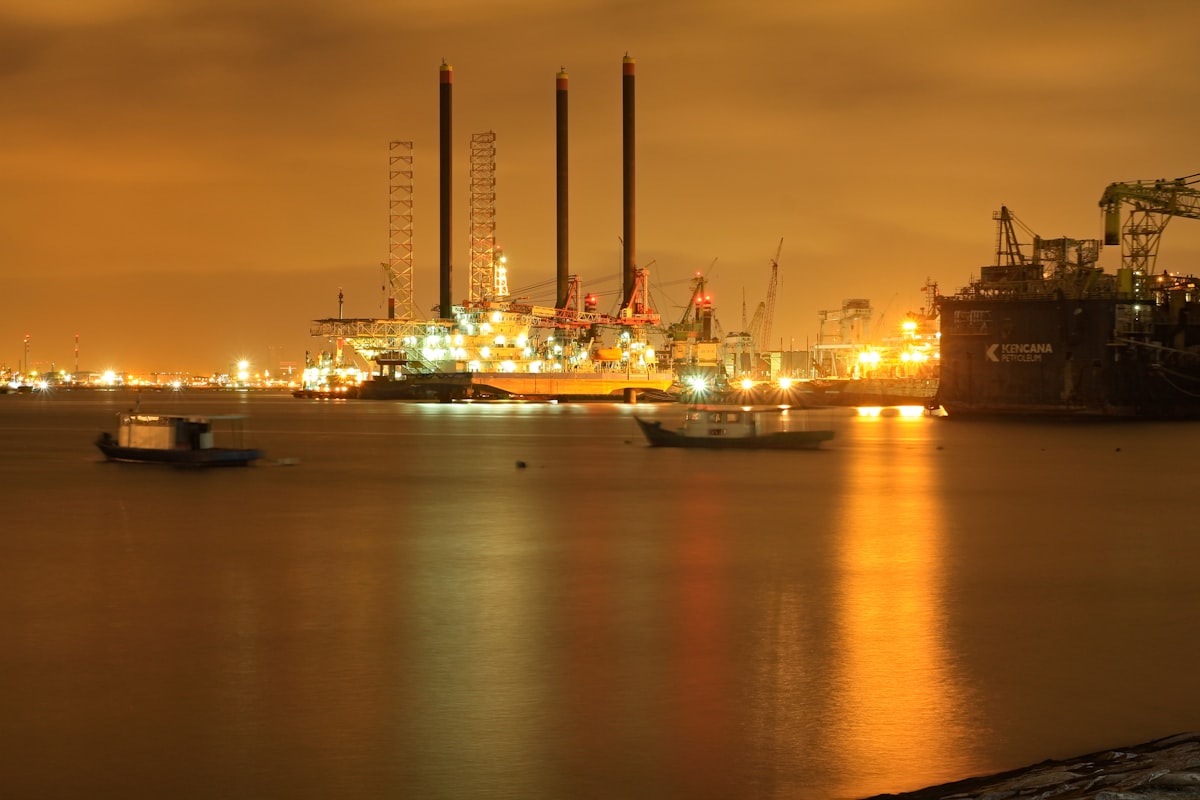
Operational (2024)The $34 billion pipeline expansion tripled capacity to 890,000 barrels per day from Edmonton to Burnaby, B.C., opening Pacific tidewater access for Alberta crude. TMX has narrowed the WCS-WTI discount by ~$5/bbl — a windfall for producers and government royalties, but the savings haven't flowed to consumers at the pump.
LNG Canada (Kitimat)
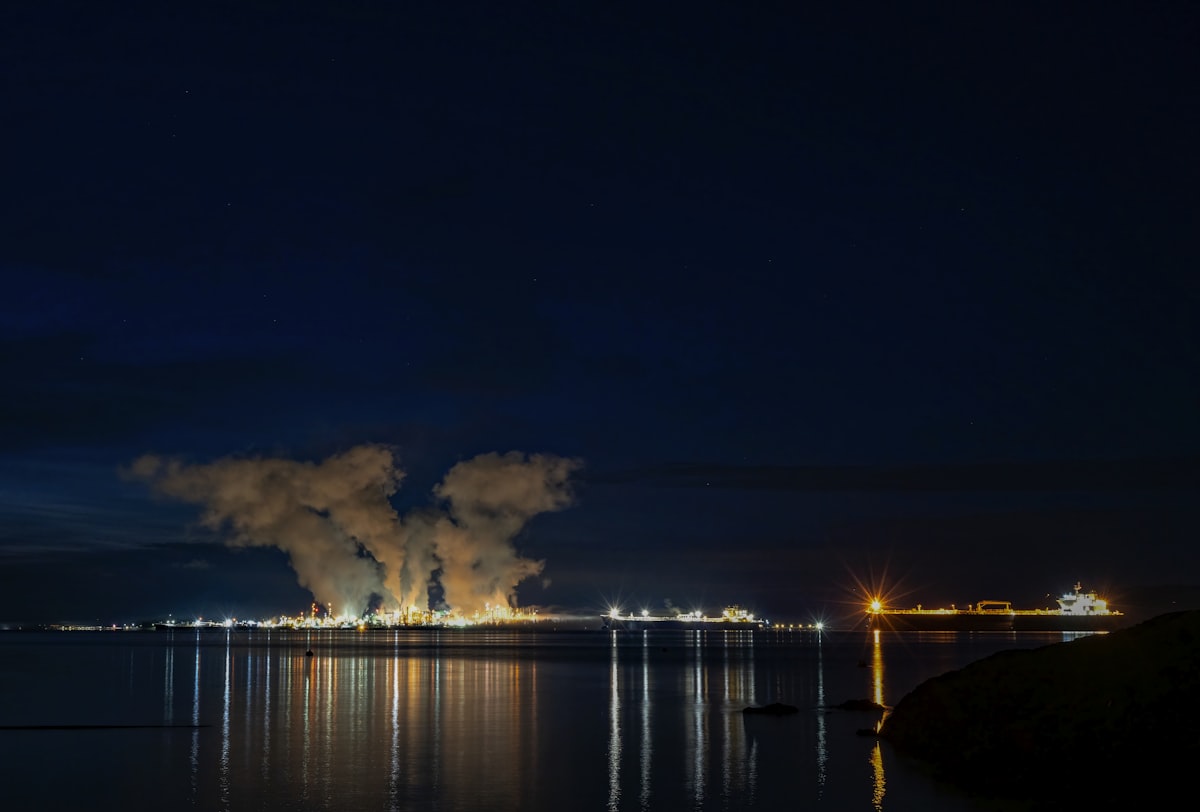
First exports 2025The $40 billion LNG Canada project — a joint venture of Shell, Petronas, PetroChina, Mitsubishi, and KOGAS — is Canada's first LNG export terminal. Located in Kitimat, B.C., it will liquefy 14 million tonnes of natural gas per year for shipment to Asia. Fed by the 670 km Coastal GasLink pipeline from Dawson Creek, the project connects B.C.'s Montney gas basin directly to Asian spot markets.
Coastal GasLink Pipeline
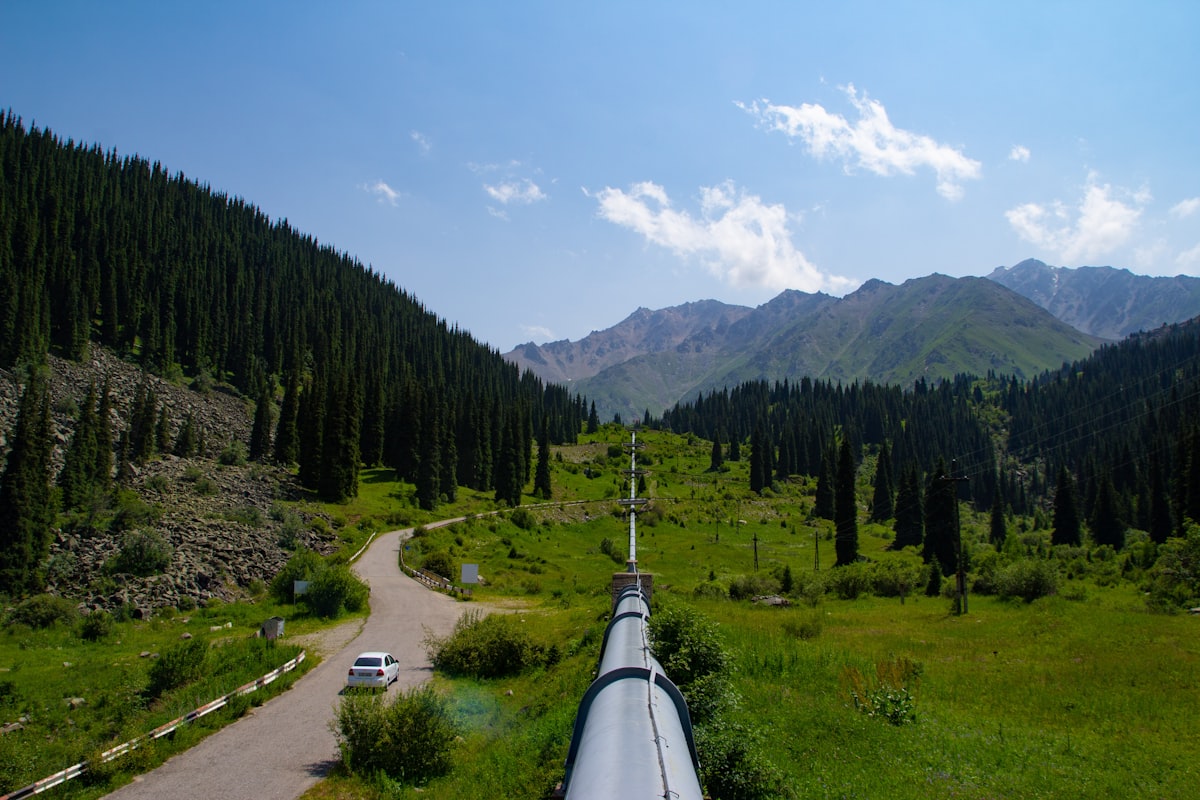
Operational (2024)The 670-kilometre pipeline from Dawson Creek to Kitimat carries natural gas from the Montney basin to LNG Canada. Built by TC Energy at a cost of approximately $14.5 billion (over budget from $6.6B), it is now the physical link between Canada's largest gas play and the global LNG market.
What Would Actually Lower Prices
Canadian Refineries
14 (down from 40+)
Refinery Utilization
~85%
Federal Carbon Levy
17.6¢/L
Strategic Reserve
None
If Canadians want lower pump prices — not just during geopolitical calm, but structurally — the policy levers are known. None of them are easy, and some conflict directly with Canada's climate commitments and trade interests.
Build More Refinery Capacity
Canada has just 14 refineries — down from over 40 in the 1970s. New refinery construction is effectively impossible under current permitting and environmental review timelines. The Sturgeon Refinery in Alberta (opened 2020) was the first new refinery in decades and cost $10 billion — 4x its original budget. Without domestic refining, Canada exports crude and re-imports gasoline, adding cost at every step.
Create a Strategic Petroleum Reserve
Canada is the only G7 nation without a strategic petroleum reserve. The U.S. holds 400 million barrels in the SPR; Canada holds zero. A reserve would allow the government to release supply during price spikes, dampening volatility. The Trudeau and Carney governments have studied the idea but have not committed funding.
Regulate Retail Pricing
Newfoundland, Nova Scotia, New Brunswick, and PEI all regulate retail fuel prices through public utility boards that set maximum prices weekly. These provinces still experience price increases, but the regulated model prevents the worst of price-gouging and smooths week-to-week volatility. No western or central province has adopted this approach.
Reduce or Restructure Fuel Taxes
Fuel taxes (federal excise + carbon levy + provincial + transit taxes) account for 35–50¢ of every litre sold in Canada. Alberta's decision to suspend its provincial fuel tax saved drivers ~13¢/L. Structural tax reform — such as indexing the carbon levy to global oil prices or capping total fuel tax burden — is politically contentious but would have immediate impact.
Industry Outlook
The Price Paradox Isn't Going Away
Hormuz Risk Is Permanent
Even if the current Iran conflict de-escalates, the structural risk of the Strait of Hormuz never disappears. Any future tension — with Iran, Yemen, or regional proxies — will instantly reprice global oil. Canada will feel it at the pump within 48 hours, every time.
Export Infrastructure Locks In Global Pricing
TMX, LNG Canada, and Coastal GasLink are designed to sell Canadian energy at world prices. They are working exactly as intended. The trade-off is permanent: higher government royalties and producer revenue, but no insulation from global price shocks for Canadian consumers.
Refinery Capacity Won't Grow
No new refinery has been proposed in Canada since the Sturgeon project. Environmental review timelines, carbon policy uncertainty, and the global energy transition make private investment in new refineries extremely unlikely. The 14 refineries Canada has today are likely the most it will ever have.
Political Will Is the Bottleneck
A strategic petroleum reserve, regulated pricing, or fuel tax reform are all feasible. None require new technology. What they require is political consensus in a country where energy policy is the most divisive issue between provinces, parties, and generations. Until that consensus exists, the Iran effect — and every future geopolitical shock — will flow straight to the pump.
In This Guide
Canada's Energy Profile
Related Guides
CCC Announces Extension of Private Placement of Units
1 day ago

CIM 2026 Floor Guide: Who to See in Vancouver
1 day ago
Silver Mountain Files YE 2025 Annual Filings
1 day ago

Northern Graphite Announces 2025 Year-End Results
1 day ago

Northisle Announces the Passing of Chairman Dale Corman
1 day ago