
Updated April 2026
Hydrogen: Powering the Future of Global Energy
Hydrogen is the most abundant element in the universe, yet harnessing it as a clean fuel remains one of the defining industrial challenges of the energy transition. The global hydrogen market is projected to exceed $300 billion by 2030 as governments commit hundreds of billions in subsidies to decarbonize steel, shipping, fertilizer, and power generation. Canada, with vast natural gas reserves, cheap hydroelectric power, carbon storage geology, and a $17.2 billion national hydrogen strategy, is positioning itself as a top-three global hydrogen exporter.
The Hydrogen Opportunity
Current Demand
97 Mt/yr
Net-Zero Target (2030)
150 Mt/yr
National Strategies
40+ countries
Public Funding Committed
$280B+
Hydrogen is having its moment. After decades of false starts, the convergence of climate policy, subsidy regimes, and industrial decarbonization mandates has created a genuine market inflection. The International Energy Agency projects that hydrogen demand must reach 150 million tonnes per year by 2030 under net-zero scenarios, up from 97 Mt today. Over 40 countries have published national hydrogen strategies, committing more than $280 billion in public funding. The opportunity is not theoretical - it is being built now, with final investment decisions on over 1,000 projects globally.
Context
For Canadian mining and energy professionals, hydrogen represents both a threat and an opportunity. It threatens natural gas demand in heating and power generation over the long term. But it creates enormous near-term opportunity: blue hydrogen production from natural gas with carbon capture, equipment and electrolyzer manufacturing, critical mineral supply chains (iridium, platinum, nickel for electrolyzers), and export infrastructure. Canada's combination of cheap gas, cheap electricity, geological storage capacity, and existing pipeline networks makes it one of fewer than ten countries globally that can credibly compete across the entire hydrogen value chain.
The Hydrogen Colour Spectrum
Dominant Type Today
Grey (96%)
Lowest Cost
Grey ($1-2/kg)
Lowest Emissions
Green (~0 CO2)
Fastest Growing
Green (45% CAGR)
Not all hydrogen is created equal. The industry uses a colour-coded system to distinguish production methods by their feedstock, energy source, and carbon intensity. Understanding these distinctions is essential because they determine cost, scalability, policy support, and which countries hold competitive advantage. Canada has credible pathways in at least four colours - grey, blue, green, and turquoise - giving it unusual strategic flexibility.
Grey Hydrogen
$1.00-2.00/kgAccounts for 96% of current global production. Natural gas is heated with steam at 700-1,000 degrees Celsius to produce hydrogen and CO2. No carbon capture. Cheapest production method but highest emissions. The baseline against which all other colours are measured.
Blue Hydrogen
$1.50-3.00/kgAlberta's primary pathway. Same SMR process as grey, but 85-95% of the CO2 is captured and stored in deep geological formations. Cost-competitive where natural gas is cheap and CCS infrastructure exists. The Alberta Carbon Trunk Line and Quest CCS facility make the province one of the world's best-positioned blue hydrogen jurisdictions.
Green Hydrogen
$4.00-6.00/kgWater is split into hydrogen and oxygen using electricity from renewable sources - hydro, wind, or solar. Quebec and British Columbia's pathway, leveraging some of the cheapest hydroelectric power in the world (3-4 cents/kWh). Cost is declining rapidly but remains 2-3x blue hydrogen. Requires massive renewable electricity build-out to reach scale.
Turquoise Hydrogen
$2.00-3.50/kgAn emerging technology that decomposes methane into hydrogen gas and solid carbon at high temperatures - without producing CO2. The solid carbon byproduct is marketable (carbon black, graphite). Monolith Materials operates the first commercial-scale plant in Nebraska. Could be transformative if it scales, because it avoids both the cost of CCS and the electricity demand of electrolysis.
Pink Hydrogen
$3.50-5.50/kgOntario and New Brunswick's pathway. Uses nuclear baseload electricity to power electrolyzers. Ontario Power Generation (OPG) is evaluating hydrogen production at the Darlington nuclear complex. Bruce Power is exploring hydrogen co-production. CANDU reactors already produce heavy water (deuterium), making hydrogen a natural extension of existing nuclear chemistry.
White / Gold Hydrogen
$0.50-1.00/kg (est.)Naturally occurring geological hydrogen generated by subsurface chemical reactions. Major discoveries in Mali (Bourakebougou field), Australia, and parts of Europe have sparked a global exploration rush. Early-stage exploration is underway in Saskatchewan and Quebec. If reserves prove commercial, white hydrogen could fundamentally disrupt the entire cost curve - delivering zero-carbon hydrogen at a fraction of any manufactured pathway.

Production Technologies
SMR Share of Production
~76%
Global Electrolyzer Capacity
~1.4 GW
Electrolyzer Target (2030)
134-240 GW
Electricity per kg H2
50-55 kWh
The dominant production technology today is steam methane reforming (SMR), which converts natural gas and steam into hydrogen and carbon dioxide at 700-1,000 degrees Celsius. SMR plants are mature, capital-efficient, and scale to over 100,000 tonnes per year. The transition to low-carbon hydrogen hinges on two pathways: retrofitting SMR with carbon capture (blue), or building out electrolysis capacity (green). Both face distinct technical and economic challenges that will determine the pace of the hydrogen transition.
Steam Methane Reforming (SMR)
65-75%Thermal
The workhorse of hydrogen production for decades. Accounts for 48% of global H2. Heats natural gas with steam over a nickel catalyst. Proven at massive scale (up to 300,000 t/yr per plant). Lowest cost but highest unabated emissions. Adding CCS makes it "blue" and captures 85-95% of CO2.
Autothermal Reforming (ATR)
60-70%Thermal
A variation of SMR that uses oxygen injection to provide heat internally, producing a more concentrated CO2 stream. Better suited for CCS integration than traditional SMR because CO2 capture rates can exceed 95%. Increasingly favoured for new blue hydrogen mega-projects.
PEM Electrolysis
55-65%Electrochemical
Proton Exchange Membrane electrolyzers split water using a solid polymer membrane. Fast response times make PEM ideal for pairing with variable renewable power (wind, solar). Compact footprint. The catch: PEM stacks require iridium (extremely rare) and platinum as catalysts, creating a critical mineral supply chain constraint. Current capacity up to 100 MW per unit.
Alkaline Electrolysis
60-70%Electrochemical
The most mature electrolyzer technology. Uses a liquid alkaline solution (potassium hydroxide) as the electrolyte. No precious metals required - uses nickel electrodes instead. Cheapest electrolyzer type per kW. Slower ramp times than PEM, making it better suited for baseload operation (hydro, nuclear). Scalable to 150 MW per unit.
Solid Oxide Electrolysis (SOEC)
75-85%High-temperature electrochemical
The highest-efficiency electrolyzer technology. Operates at 700-850 degrees Celsius using steam rather than liquid water, requiring less electrical energy. Pairs exceptionally well with nuclear reactors and industrial waste heat. Still at demonstration scale (up to 10 MW). Bloom Energy, Topsoe, and Ceres Power are leading commercialization efforts.
Methane Pyrolysis
55-65%Thermal decomposition
Decomposes methane directly into hydrogen gas and solid carbon without combustion - no CO2 produced. The solid carbon byproduct (carbon black) has industrial value. Monolith Materials opened the first commercial plant in 2024. BASF, Hazer Group, and several startups are developing competing approaches. Could bridge the gap between blue and green hydrogen economics.
Biomass Gasification
40-50%Thermochemical
Converts organic feedstocks (wood, agricultural waste, municipal solid waste) into a synthesis gas containing hydrogen. Can be carbon-negative when combined with CCS. Limited by feedstock availability and consistency. Most relevant for forestry-heavy regions like British Columbia and Scandinavia.
The Global Hydrogen Market
Market Value (2025)
~$174B
Projected Value (2030)
$300B+
Current Demand
97 Mt/yr
Growth Sectors
Steel, transport, power
The global hydrogen market is currently valued at approximately $174 billion, with 97 million tonnes consumed annually. Over 99% of this is grey hydrogen used in three industrial sectors: oil refining (42%), ammonia production (36%), and methanol synthesis (14%). The growth story is about new demand - sectors that do not currently use hydrogen at scale but are expected to adopt it for decarbonization: steel, heavy transport, power storage, and synthetic fuels. BloombergNEF projects hydrogen could meet up to 22% of final energy demand by 2050.
Context
The geographic distribution of hydrogen ambition is concentrated in three blocs. The European Union has committed EUR 470 billion through its REPowerEU plan, targeting 10 Mt of domestic green hydrogen production and 10 Mt of imports by 2030. The United States, through the Inflation Reduction Act, offers a production tax credit of up to $3/kg for clean hydrogen - the most generous subsidy in the world. China, while less vocal, is already the world's largest hydrogen producer (33 Mt/yr) and largest electrolyzer manufacturer, accounting for over 60% of global electrolyzer shipments.
Oil Refining
40 Mt/yr2030 Outlook: 38 Mt/yr by 2030
Stable demand. Hydrogen is used for desulfurization and hydrocracking in refineries. Volume may decline slightly as refining throughput peaks, but this remains the largest single hydrogen market for the next decade.
Ammonia & Fertilizer
35 Mt/yr2030 Outlook: 42 Mt/yr by 2030
Growing demand driven by food security and green ammonia mandates. Ammonia (NH3) requires hydrogen as a feedstock. Green ammonia - made from green hydrogen - is also emerging as a marine fuel and hydrogen carrier for intercontinental trade.
Methanol & Chemicals
14 Mt/yr2030 Outlook: 18 Mt/yr by 2030
Growing steadily. Methanol is a key chemical feedstock. E-methanol (made from green hydrogen and captured CO2) is being adopted by Maersk and other shipping lines as a marine fuel. Methanex, headquartered in Vancouver, is the world's largest methanol producer.
Steel (Direct Reduced Iron)
0.5 Mt/yr2030 Outlook: 5-8 Mt/yr by 2030
The highest-growth sector. Hydrogen replaces coking coal as the reductant in iron ore reduction, eliminating the largest single source of industrial CO2 emissions. SSAB HYBRIT in Sweden reached commercial production in 2026. ArcelorMittal Dofasco in Hamilton, Ontario is investing C$1.8 billion in a hydrogen-ready DRI facility.
Heavy Transport
0.1 Mt/yr2030 Outlook: 3-5 Mt/yr by 2030
Emerging but accelerating. Fuel cell trucks, marine vessels, rail, and sustainable aviation fuel (SAF) from hydrogen. Batteries won the passenger car market, but hydrogen retains advantages for long-range, heavy-payload applications where refueling speed and weight matter.
Power Generation
0.2 Mt/yr2030 Outlook: 4-7 Mt/yr by 2030
Emerging. Hydrogen blended into natural gas turbines (5-50% today, 100% by 2030). Also used for long-duration seasonal energy storage in salt caverns - the only technology that can store terawatt-hours for weeks or months at reasonable cost.

Canada's Hydrogen Advantage
Federal H2 Investment
$17.2B
Clean H2 Tax Credit
Up to 40%
Jobs Target (2050)
350,000
Production Target
4 Mt/yr by 2030
Canada released its national Hydrogen Strategy in December 2020, projecting hydrogen could account for up to 30% of end-use energy by 2050 and create 350,000 jobs. The federal government has committed $17.2 billion through various programs including the Clean Hydrogen Investment Tax Credit (up to 40% for green hydrogen), the Canada Growth Fund, and the Strategic Innovation Fund. But the real story is provincial. Alberta is pursuing blue hydrogen from natural gas with carbon capture. Quebec and British Columbia are pursuing green hydrogen from hydroelectricity. Ontario and New Brunswick are exploring pink hydrogen from nuclear. This multi-pathway approach is a genuine competitive advantage that few other nations can match.
Alberta
Blue H2 (gas + CCS)Canada's hydrogen heavyweight. Already produces 2.4 Mt of hydrogen per year for oil sands upgrading and refining. Cheap natural gas ($2-3/GJ), world-class CCS geology (the Alberta Carbon Trunk Line can transport 14.6 Mt CO2/yr), and existing pipeline networks make Alberta one of the lowest-cost blue hydrogen jurisdictions globally. Key projects: Air Products' $1.6B net-zero hydrogen facility in Edmonton (operational 2026), ATCO Clean Hydrogen Hub in Fort Saskatchewan.
Quebec
Green H2 (hydroelectric)Home to the cheapest clean electricity in North America at 3-4 cents/kWh from Hydro-Quebec's 37 GW of hydroelectric capacity. Quebec has surplus power that could be directed to electrolysis at globally competitive costs. TES Canada is developing a green hydrogen project, and Energir (the province's gas utility) is piloting power-to-gas injection. The H2V Energies project in Becancour was paused but demonstrated the province's ambition.
British Columbia
Green H2 (hydro + renewables)Clean grid powered by BC Hydro's 12 GW of hydroelectric generation. FortisBC is running renewable gas and hydrogen blending pilots. The province's LNG export infrastructure at Kitimat could eventually be adapted for hydrogen or ammonia export. B.C.'s hydrogen strategy targets transportation (fuel cell buses, trucks) and industrial heat as priority sectors.
Ontario
Pink H2 (nuclear)Ontario has 13 GW of nuclear baseload from the Darlington and Bruce Power complexes - among the largest nuclear fleets in the world. Ontario Power Generation (OPG) is evaluating hydrogen production at Darlington using off-peak nuclear electricity. Bruce Power is exploring a hydrogen and medical isotope campus. CANDU reactors already produce heavy water (deuterium), making hydrogen chemistry a natural extension.
Atlantic Canada
Green H2 (wind, export)Home to the most ambitious Canadian hydrogen export project: World Energy GH2 in Stephenville, Newfoundland - a $12 billion green hydrogen-to-ammonia facility powered by 3 GW of onshore wind. The project has an offtake agreement with Germany's Uniper for 500,000 tonnes per year of green ammonia. Atlantic Canada's wind resources and port access to Europe position it as a potential hydrogen export hub.
Saskatchewan
Blue + White H2Deep saline aquifers provide excellent CO2 storage geology for blue hydrogen production. SaskPower is studying hydrogen co-firing in natural gas power plants. Perhaps most intriguingly, Saskatchewan's geology is being explored for naturally occurring white hydrogen deposits - if commercial, these could deliver zero-carbon hydrogen at a fraction of any manufactured cost.
Infrastructure & Storage
Global H2 Pipelines
~4,600 km
Nat Gas Pipelines (CA)
840,000 km
H2 Blending Limit
5-20% by vol.
Salt Cavern Storage
Most cost-effective
Infrastructure is hydrogen's chicken-and-egg problem. Producers will not build supply without guaranteed offtake. Consumers will not convert equipment without guaranteed supply. And neither will move without pipelines, storage, and port facilities that do not yet exist at scale. Solving the infrastructure gap is the single biggest challenge standing between hydrogen's promise and its reality. The good news for Canada: much of the existing natural gas infrastructure can be adapted for hydrogen or hydrogen-natural gas blends.
Context
Hydrogen is a difficult molecule to transport. It has one-third the energy density of natural gas by volume, meaning pipelines must move three times the volume to deliver equivalent energy. It embrittles certain steel alloys, requiring pipeline inspection and potentially replacement of fittings. Compression requires more energy per unit of energy delivered. Liquefaction requires cooling to minus 253 degrees Celsius - far more energy-intensive than LNG (minus 162 degrees Celsius). These physics constraints are not showstoppers, but they make hydrogen infrastructure fundamentally more expensive per unit of energy than natural gas.
Pipeline Blending
Active pilots (5-20% H2)Injecting hydrogen into existing natural gas pipelines at low concentrations. Enbridge, FortisBC, and ATCO are running blend trials across Canada. Current safe limits are 5-20% hydrogen by volume - above 20%, downstream equipment (turbines, compressors, meters, appliances) may require modification. The cheapest near-term distribution pathway.
Dedicated H2 Pipelines
PlannedPurpose-built pipelines for pure hydrogen connecting production hubs to industrial consumers. Air Liquide already operates over 3,000 km of hydrogen pipelines globally. New builds cost $1-3 million per kilometre. Alberta's Industrial Heartland hydrogen hub concept envisions a dedicated pipeline network linking producers, upgraders, and export facilities.
Compressed Gas Trucks
CommercialTube trailers carry 300-500 kg of compressed hydrogen gas by road. Economical for distances under 300 km and small-volume consumers. Currently the default distribution method for hydrogen refueling stations and small industrial users. Limited by low payload relative to truck weight.
Liquid Hydrogen
Limited commercialHydrogen cooled to minus 253 degrees Celsius for higher-density transport. Kawasaki Heavy Industries built the world's first liquid hydrogen carrier ship in 2022 (the Suiso Frontier) for the Japan-Australia hydrogen trade route. Boil-off losses of 0.5-1% per day remain a challenge. NASA has used liquid hydrogen for decades in rocket propulsion.
Ammonia Conversion
Growing rapidlyConverting hydrogen to ammonia (NH3) for intercontinental shipping, then cracking it back to hydrogen at the destination. Ammonia is liquid at minus 33 degrees Celsius (far easier than liquid H2) and has existing global shipping and port infrastructure. The energy penalty is 25-30% for the round trip. This is the leading pathway for long-distance hydrogen trade - most export projects (NEOM, GH2 Stephenville) produce ammonia, not pure hydrogen.
Salt Cavern Storage
Proven technologyThe cheapest large-scale hydrogen storage solution at $0.20-0.50 per kg. Underground salt caverns created by solution mining can store massive volumes of compressed hydrogen for seasonal or strategic reserves. Requires specific geology - Alberta and Saskatchewan have suitable salt formations. Three salt cavern hydrogen storage facilities already operate in Texas and the UK.
Industrial Decarbonization
Industry CO2 Share
~25% of global
H2 for Steel (2050)
20-50 Mt/yr
Green Ammonia Market
$18B+ by 2030
H2 Refinery Demand
40 Mt/yr
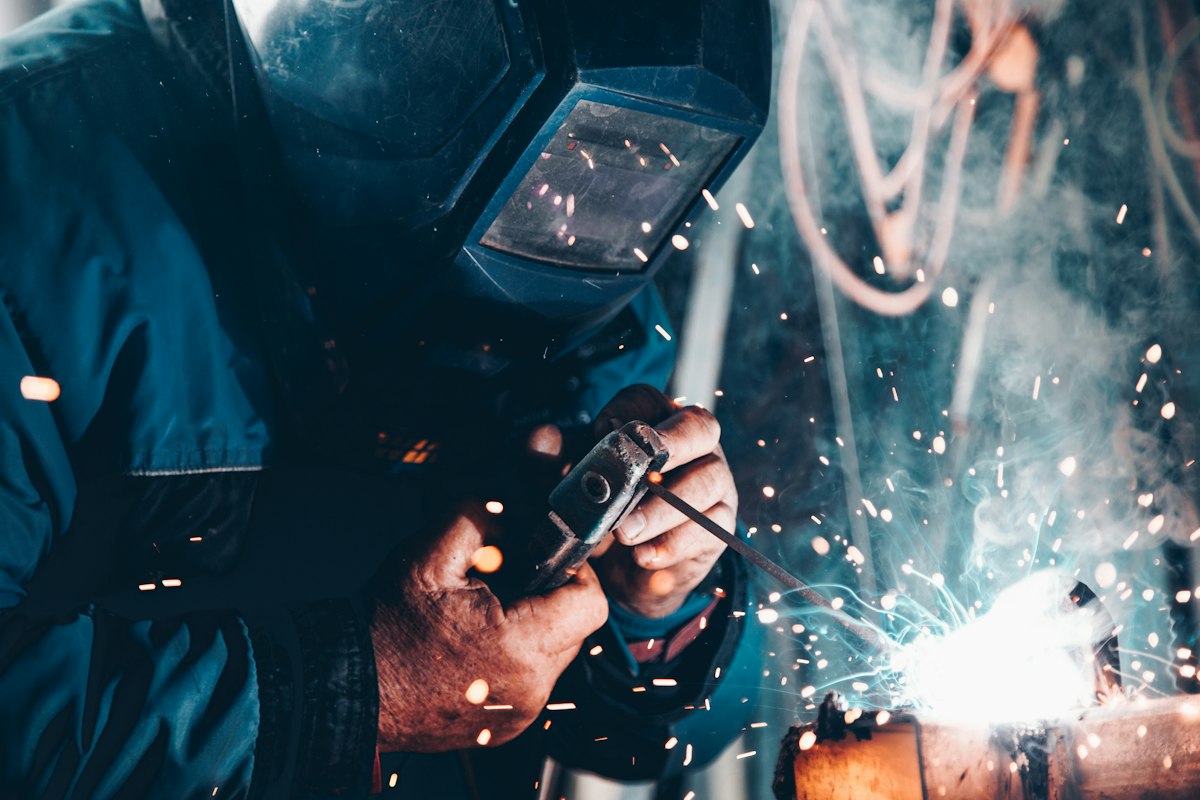
Hydrogen's most compelling near-term market is not cars or home heating - it is heavy industry. Steel, ammonia, refining, and cement account for approximately 25% of global CO2 emissions, and many of these processes cannot be electrified with batteries. Hydrogen offers a direct substitution pathway: replace coal or natural gas as a chemical reductant or high-temperature heat source. This is where the first large-scale hydrogen demand will materialize, and where Canadian producers and miners stand to benefit most directly.
Steel (Direct Reduced Iron)
0.5 Mt H2/yrThe transformational application. Hydrogen replaces coking coal as the reductant in iron ore processing, eliminating the steelmaking industry's single largest CO2 source. SSAB's HYBRIT project in Sweden reached commercial production in 2026 - the world's first fossil-free steel. ArcelorMittal Dofasco in Hamilton, Ontario is investing C$1.8 billion in hydrogen-ready DRI capacity with federal and provincial support. Stelco is evaluating similar conversions. Canadian iron ore producers (Labrador Iron Ore, Champion Iron) stand to benefit as DRI-grade pellet demand surges.
Ammonia & Fertilizer
35 Mt H2/yrThe largest existing hydrogen market by volume. The Haber-Bosch process combines hydrogen and nitrogen to produce ammonia - the foundation of nitrogen fertilizer that feeds half the world's population. Nutrien, headquartered in Saskatoon, is the world's largest fertilizer company and a natural fit for blue-to-green hydrogen transition. CF Industries and Yara are building green ammonia plants in the U.S. and Norway.
Oil Refining
40 Mt H2/yrThe single largest hydrogen-consuming sector today. Refineries use hydrogen for hydrocracking (breaking heavy crude into lighter products) and desulfurization (removing sulfur to meet fuel standards). Imperial Oil, Suncor, and Cenovus are already Canada's largest hydrogen consumers. Switching from on-site grey hydrogen to purchased blue or green hydrogen is a straightforward decarbonization pathway requiring no process changes.
Cement & Concrete
EmergingCement kilns operate at 1,450 degrees Celsius - temperatures difficult to achieve with electricity alone. Hydrogen co-firing can replace natural gas or coal as the kiln fuel, reducing process emissions (though not the CO2 released from limestone calcination, which accounts for ~60% of cement emissions). Lafarge Canada and HeidelbergCement are piloting hydrogen co-firing at multiple plants.
Chemicals & Methanol
14 Mt H2/yrHydrogen is a primary feedstock for methanol, which is used in plastics, adhesives, solvents, and increasingly as a marine fuel. E-methanol - produced from green hydrogen and captured CO2 - is being adopted by Maersk for its next-generation container ships. Methanex, headquartered in Vancouver, is the world's largest methanol producer and is evaluating green methanol pathways at its Geismar, Louisiana facility.
Transport & Mobility
Fuel Cell Trucks
~8,000 deployed
Refueling Time
10-15 minutes
Range (HD Truck)
600-800 km
Mining H2 Pilots
5+ OEMs testing
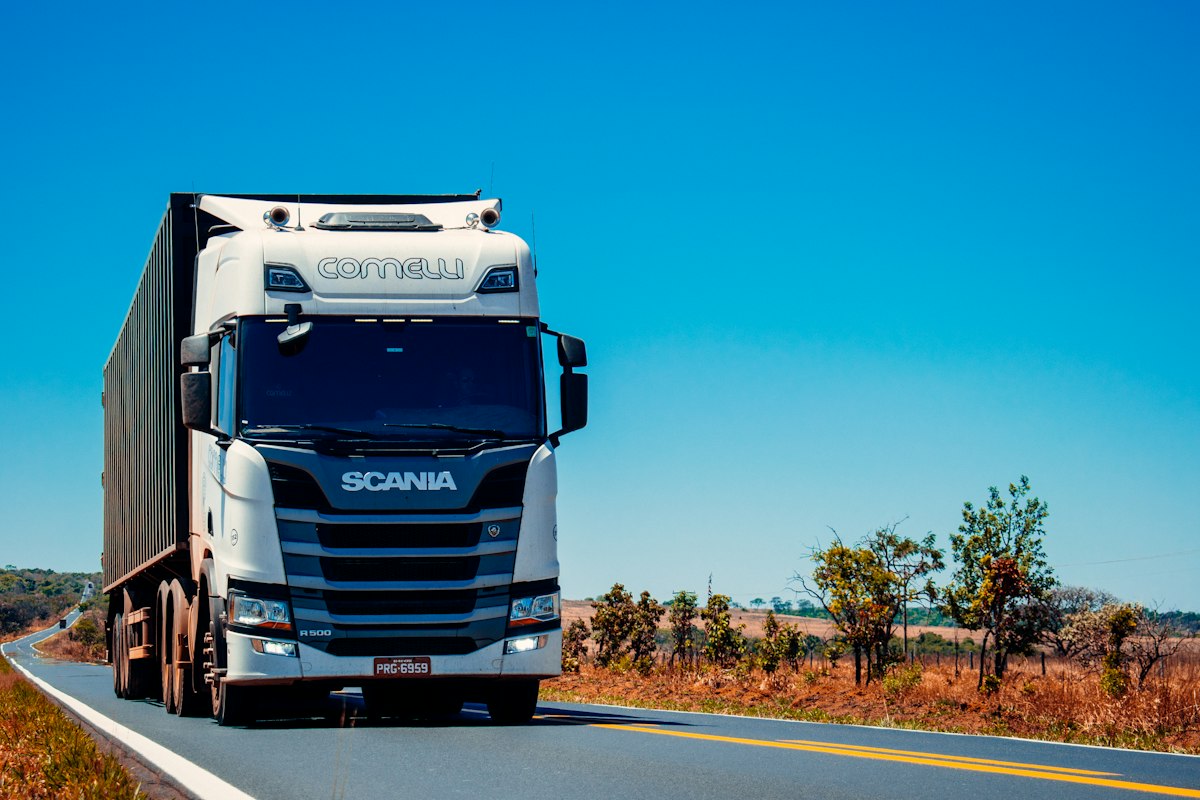
The hydrogen-versus-battery debate in transport has largely been settled for passenger vehicles - batteries won. But for heavy-duty, long-range, and weight-sensitive applications, hydrogen fuel cells retain significant advantages. A fuel cell truck can refuel in 15 minutes and carry 600-800 km of range without the 4-8 tonne battery weight penalty that cuts into payload. For mining haul trucks, marine vessels, rail locomotives, and aviation, hydrogen and hydrogen-derived fuels are the leading decarbonization pathways.
Context
The mining sector is a particularly compelling use case. Underground mines require zero-emission vehicles for air quality. Open-pit haul trucks consume 200-400 litres of diesel per hour - the single largest fuel cost for most mining operations. Caterpillar, Komatsu, Liebherr, and Fortescue's WAE Technologies are all developing hydrogen-powered haul trucks. Anglo American's nuGen truck (a 510-tonne ultra-class hydrogen-electric haul truck tested in South Africa in 2022) demonstrated proof of concept. First Quantum and BHP are among the operators evaluating hydrogen for mine fleets. For Canadian mine operators, hydrogen fuel cells offer a path to comply with tightening emissions regulations while maintaining the productivity and duty cycles that batteries cannot yet match in extreme cold and continuous heavy-load operation.
Power Generation & Seasonal Storage
H2 Turbine Readiness
Up to 50% blend
100% H2 Turbines
Expected by 2030
Salt Cavern Cost
$0.20-0.50/kg
Round-Trip Efficiency
30-40%
Hydrogen can serve as both a power generation fuel and a long-duration energy storage medium. Gas turbines from Siemens Energy, GE Vernova, and Mitsubishi Power can already operate on hydrogen-natural gas blends of 5-50%, with 100% hydrogen turbines expected by 2030. For seasonal storage - storing weeks or months of energy to bridge winter demand peaks or prolonged periods of low wind and solar output - hydrogen stored in salt caverns is one of the only technically viable solutions at the terawatt-hour scale.
Context
The round-trip efficiency concern is hydrogen's most frequently cited weakness in power applications. Converting electricity to hydrogen (electrolysis) and back to electricity (fuel cell or turbine) loses 60-70% of the original energy. Batteries achieve 85-95% round-trip efficiency. However, this comparison misses the point. Hydrogen competes not with batteries for daily cycling, but with natural gas for seasonal and backup power. When a grid needs to store 500 GWh for a three-month winter peak or a two-week wind drought, batteries are not an option at any price. Hydrogen in salt caverns is. This is the niche where hydrogen's economics work - and as grids add more intermittent renewables, it is a niche that grows very large.

Economics & Cost Trajectories
Green H2 Today
$4-6/kg
Blue H2 Today
$1.50-3.00/kg
Target (2030)
$2/kg green
U.S. IRA Credit
Up to $3/kg
The hydrogen economy's viability ultimately comes down to cost. Today, green hydrogen costs $4-6 per kilogram in most markets - roughly 3x the cost of grey hydrogen from unabated natural gas. The global consensus target is $2/kg by 2030, at which point hydrogen becomes competitive for most industrial applications and export. Achieving this requires cheaper electrolyzers, cheaper renewable electricity, larger project scale, and sustained policy support. The U.S. Inflation Reduction Act's $3/kg production tax credit has already made green hydrogen theoretically profitable in certain American locations - putting intense competitive pressure on Canadian producers.
Electricity
50-65% of green H2 costThe single largest cost driver for green hydrogen. At 3 cents/kWh (Quebec hydro), electricity cost per kg of H2 is approximately $1.50-1.80. At 6 cents/kWh (average onshore wind), it doubles. The continued decline in solar and wind LCOE (5-8% per year) is the primary force pulling green hydrogen toward the $2/kg target.
Electrolyzer CAPEX
20-30% of green H2 costElectrolyzer stack costs are dropping from $1,200/kW in 2023 toward $300-400/kW by 2030, driven by manufacturing scale and Chinese competition. LONGi Hydrogen and Peric (China) now offer alkaline electrolyzers at 60-70% lower cost than Western manufacturers, compressing margins across the industry.
Electrolyzer Efficiency
Indirect (5-10%)Current PEM and alkaline systems operate at 55-65% efficiency. Next-generation membranes, improved catalysts, and SOEC commercialization could push system efficiency above 70%, reducing the electricity requirement per kg of H2 produced.
Balance of Plant
10-15% of green H2 costWater treatment, compression, cooling, power electronics, and control systems. Standardized, modular plant designs and supply chain maturation are expected to reduce these costs by 20-30% through 2030.
U.S. Clean Hydrogen PTC (Section 45V)
Up to $3.00 per kg for clean hydrogen production, available for 10 years. The most generous hydrogen subsidy in the world. At $3/kg, green hydrogen is profitable at many U.S. locations even at current electrolyzer costs. This has triggered a wave of project announcements in Texas, Louisiana, and the Gulf Coast that directly competes with Canadian projects for capital and offtake.
Canada Clean Hydrogen ITC
An investment tax credit of 15-40% of capital expenditure, with the rate determined by carbon intensity. Green hydrogen (electrolysis from clean power) qualifies for the full 40%. Blue hydrogen with CCS qualifies for approximately 25%. Competitive but structured differently from the U.S. production credit - Canada subsidizes the build, the U.S. subsidizes each kilogram produced.
Canada Growth Fund
A $15 billion fund offering contracts for difference and offtake guarantees to de-risk clean energy investments, including hydrogen. Designed to bridge the gap between current hydrogen costs and the price industrial buyers are willing to pay, guaranteeing producers a minimum price for their output.
EU Hydrogen Bank
Competitive auctions awarding up to EUR 3 per kg in production subsidies for green hydrogen. The first auction (2023) was massively oversubscribed. The EU is simultaneously mandating green hydrogen consumption quotas for industry, creating guaranteed demand that Canada and other exporters are targeting.
Landmark Global & Canadian Projects
Global FID Pipeline
$320B+ announced
Projects with FID
~10% of announced
Largest Single Project
NEOM ($8.4B)
Canadian Projects
80+ announced
The hydrogen industry has moved beyond pilot projects into final investment decisions on multi-billion-dollar facilities. These projects will define the first wave of the hydrogen economy and establish which countries and companies emerge as leaders. Canada has several globally significant projects in development, though it trails the Middle East, Europe, and Australia in total committed capital.
NEOM Green Hydrogen (Helios)
Under constructionThe world's largest green hydrogen project. An $8.4 billion facility in Saudi Arabia producing 600 tonnes per day of green hydrogen, converted to 1.2 Mt per year of green ammonia for export. Joint venture of ACWA Power, Air Products, and NEOM. Powered by 4 GW of dedicated solar and wind. Target operational date: 2027. This single project will produce more green hydrogen than the entire world currently makes.
Air Products Edmonton
Construction (FID 2022)A $1.6 billion net-zero blue hydrogen facility in Alberta's Industrial Heartland. Will produce 1,500 tonnes per day of hydrogen from natural gas with full carbon capture and sequestration. The CO2 will be stored in deep geological formations via the Alberta Carbon Trunk Line. Expected to be operational in 2026. One of the first mega-scale blue hydrogen projects to reach construction globally.
World Energy GH2 (Stephenville)
DevelopmentCanada's most ambitious hydrogen export project. A $12 billion green hydrogen-to-ammonia facility in Stephenville, Newfoundland, powered by 3 GW of onshore wind. Targeting 250,000 tonnes per year of green hydrogen, converted to ammonia for export. Has a binding offtake agreement with Germany's Uniper for 500,000 tonnes per year of green ammonia. Atlantic Canada's wind resources and proximity to European markets make this a globally competitive export proposition.
HyDeal Ambition
DevelopmentA European mega-project targeting 9.5 GW of solar-powered electrolysis across Spain and France, aiming to produce green hydrogen at EUR 1.50/kg by 2030. Connected to industrial consumers in France and Germany via dedicated pipeline. If delivered at target cost, HyDeal would demonstrate that green hydrogen can undercut grey hydrogen without subsidies.
Asian Renewable Energy Hub
Planning/permittingOne of the largest energy projects ever proposed. A 26 GW wind and solar complex in Western Australia powering massive green hydrogen and ammonia production for export to Asian markets. If built at full scale, it would produce more renewable energy than many entire countries.
Enbridge H2 Blending (Markham)
Pilot operationalThe first utility-scale hydrogen blending pilot in a North American natural gas distribution network. Enbridge is injecting a 2% hydrogen blend into the gas supply for 3,600 residential customers in Markham, Ontario. The pilot is testing equipment compatibility, safety, and customer acceptance before scaling blending ratios and geographic coverage.
ATCO Clean Energy Hub
DevelopmentATCO's hydrogen production and blending project in Fort Saskatchewan, Alberta, part of the broader Industrial Heartland hydrogen cluster strategy. Located alongside major petrochemical facilities, refineries, and the Air Products blue hydrogen project. Designed to demonstrate hydrogen integration into Alberta's existing energy infrastructure.

Challenges & Open Questions
Energy Loss (electrolysis)
30-40%
Water per kg H2
9-15 litres
Embrittlement Risk
High-strength steel
Projects at FID
~10% of announced
Hydrogen is not a silver bullet, and the industry's boosters often understate the genuine technical, economic, and practical challenges. Understanding these constraints is essential for any professional making capital allocation or strategic decisions. The history of hydrogen is littered with hype cycles that collapsed when economics failed to materialize. This time may be different - the policy support is unprecedented - but the physics and engineering challenges are real and persistent.
Efficiency and Energy Penalty
Green hydrogen's power-to-gas-to-power round trip loses 60-70% of input energy. Direct electrification with batteries is 2-3x more efficient where it is technically feasible. Hydrogen should target applications where electrification cannot work - steel, shipping, seasonal storage, ammonia - not compete with batteries where they are viable. The risk is that hydrogen boosters oversell addressable market, attracting capital to use cases where batteries will ultimately win.
Water Consumption
Producing 1 kg of green hydrogen requires 9-15 litres of purified water (including cooling). A 1 Mt/yr green hydrogen plant would consume 10-15 billion litres annually. In water-stressed regions (Middle East, Australia, parts of the U.S. Southwest), this is a serious constraint that may require desalination, adding cost and energy demand. Canada is water-rich, which represents a genuine competitive advantage, but not all Canadian project sites have adequate water access.
Infrastructure Chicken-and-Egg
No producer builds a hydrogen plant without an offtaker. No industrial consumer converts equipment without guaranteed supply. No pipeline operator builds without committed volume from both sides. Government contracts for difference and offtake guarantees are designed to break this deadlock, but progress is slower than announcements suggest. The gap between announced projects and final investment decisions (~10%) reflects this coordination failure.
Safety and Public Perception
Hydrogen is flammable with a wide explosive concentration range (4-75% in air), burns with an invisible flame, and can leak through seals that contain natural gas. These are manageable engineering challenges - the industrial gas industry has handled hydrogen safely for over a century - but they require different safety protocols, detection equipment, and operator training. Public perception, shaped by the Hindenburg association, remains a barrier for residential and consumer-facing applications.
Competition from Direct Electrification
For building heating, passenger vehicles, and many industrial heat applications below 400 degrees Celsius, heat pumps and batteries are cheaper, more efficient, and further along the deployment curve. If electrification technologies continue to improve faster than expected (as they have in the past decade), the addressable market for hydrogen may be smaller than current projections assume. The viable hydrogen market is large, but it may not be as large as hydrogen advocates claim.
Project Execution Risk
Of the 1,000+ hydrogen projects announced globally, only approximately 10% have reached final investment decision. Many announced projects are aspirational, lack committed offtake agreements, or depend on subsidies that have not yet been legislated or may be modified. The gap between announcements and operational capacity is enormous. Investors and corporate strategists should weight FID projects heavily and treat pre-FID announcements with appropriate skepticism.

The Investment Landscape
Global H2 Investment
$38B (2024)
Subsidies Committed
$280B+
TSX H2 Exposure
25+ companies
Electrolyzer Market
$35B+ by 2030
Global investment in hydrogen exceeded $38 billion in 2024, up from $12 billion in 2021. Capital is flowing from three directions: government subsidies and tax credits, strategic corporate investment from energy majors and industrial conglomerates, and venture/growth equity into pure-play hydrogen companies. For Canadian investors and companies, the hydrogen value chain offers exposure through upstream natural gas (feedstock for blue H2), critical minerals (electrolyzer metals), infrastructure (pipelines, storage), technology (fuel cells, electrolyzers), and project development.
Fuel Cell Manufacturers
Ballard Power (TSX: BLDP)Ballard Power Systems, headquartered in Burnaby, B.C., is a global pioneer in PEM fuel cells for transit buses, trucks, marine, and stationary power. Pure-play hydrogen technology company with over 30 years of fuel cell development. High volatility, pre-profit for most of its history, but leveraged to the hydrogen adoption curve. Plug Power and Bloom Energy are key U.S.-listed competitors.
Electrolyzer Makers
Limited direct TSX exposureThe critical bottleneck technology. Nel ASA (Norway), ITM Power (UK), Cummins/Accelera, and Thyssenkrupp Nucera are Western leaders. But Chinese manufacturers (LONGi Hydrogen, Peric, Sungrow) now dominate global shipments with dramatically lower costs. No pure-play electrolyzer company is TSX-listed, though Cummins has significant Canadian operations.
Energy Majors (Blue H2)
Suncor, CNRL, CenovusCanada's oil sands majors are already the country's largest hydrogen producers (for upgrading and refining) and are evaluating blue hydrogen production with CCS as a transition strategy. Shell, BP, and TotalEnergies are making similar moves globally. These companies offer hydrogen exposure with the lowest risk profile - diversified revenues, existing assets, and incremental investment in hydrogen rather than all-in bets.
Industrial Gas Companies
Air Products, Linde, Air LiquideThe dominant incumbents in hydrogen production and distribution globally. All three operate major hydrogen facilities in Canada. Air Products' $1.6 billion Edmonton blue hydrogen project is the highest-profile near-term investment. These companies are best positioned for near-term hydrogen revenue because they already produce, transport, and sell hydrogen at scale - they are expanding an existing business, not building a new one.
Mining (Electrolyzer Metals)
Vale, Glencore (Sudbury)PEM electrolyzers require iridium (extremely scarce, primarily from South Africa) and platinum as catalysts. Alkaline electrolyzers use large quantities of nickel for electrodes. As electrolyzer deployment scales from 1.4 GW to 134+ GW, demand for these metals will surge. Canadian miners in Sudbury (Vale, Glencore), the Ring of Fire, and B.C.'s platinum-group metal deposits are directly in this supply chain. Anglo American Platinum and Sibanye-Stillwater are key global PGM producers.
Infrastructure & Utilities
Enbridge, TC Energy, ATCOCanadian pipeline and utility companies running hydrogen blending or infrastructure pilots. Enbridge (Markham blending), TC Energy (hydrogen hub studies), FortisBC (renewable gas), and ATCO (Fort Saskatchewan hub) all offer hydrogen optionality layered on top of stable, regulated utility businesses. This is the lowest-risk hydrogen exposure for conservative investors - these companies will participate in the hydrogen transition through their existing pipeline and distribution networks.
Industry Outlook
The Hydrogen Transition Is Real, but Selective
Blue Hydrogen Is Canada's Near-Term Play
Canada's competitive advantage in the 2020s is blue hydrogen from cheap natural gas with carbon capture. Alberta's geology, pipeline infrastructure, and existing hydrogen production (2.4 Mt/yr) make it one of the lowest-cost blue H2 jurisdictions globally. Green hydrogen will scale over the next decade, but blue hydrogen generates revenue and builds export relationships now.
The Subsidy Race Is Existential
The U.S. Inflation Reduction Act's $3/kg hydrogen production tax credit is the most aggressive clean energy subsidy in history. Canada's 15-40% investment tax credit is competitive but structured differently. Without matching or exceeding U.S. incentives on a per-kilogram basis, Canadian hydrogen projects risk losing capital and talent south of the border - the same dynamic that played out in EV battery manufacturing.
Mining Feeds the Electrolyzer
Every gigawatt of PEM electrolyzer capacity requires approximately 0.3 tonnes of iridium and 0.7 tonnes of platinum. Alkaline electrolyzers consume large quantities of nickel. As global electrolyzer deployment scales from 1.4 GW to 134+ GW this decade, critical mineral demand will surge. Canadian miners in Sudbury, the Ring of Fire, and B.C. are directly in this supply chain.
Export Is the Prize
Canada's hydrogen strategy is fundamentally an export strategy. Domestic demand alone cannot justify the scale of investment required. The prize is supplying clean hydrogen and ammonia to Europe, Japan, and South Korea - countries that will be structural hydrogen importers for decades. Newfoundland's GH2 project and Alberta's blue hydrogen hubs are designed for export markets, not domestic consumption.
In This Guide
Hydrogen at a Glance