CanAlaska Begins Drill Program at Nebula Project
Executive Summary
The technical approach focuses on two high-priority target areas identified through recent high-resolution airborne geophysical surveys. The first target area lies up-ice from the historically identified Karpinka Lake radioactive boulder train, which has yielded grab samples with uranium grades up to 0.35%. The second target encompasses the long-linear conductive trend that parallels the highly prospective Wollaston-Mudjatik transition zone, known to host several unconformity-associated uranium deposits in the Eastern Athabasca Basin. CEO Cory Belyk, drawing on his five years as Chief Mine Geologist at Cameco's Eagle Point deposit, noted the geological similarities between Nebula and Eagle Point, describing the opportunity as truly exciting and potentially overlooked by previous explorers.
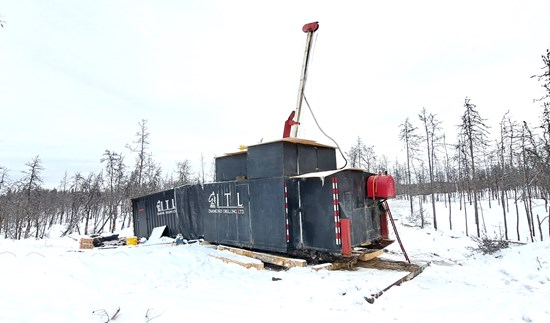
The winter program will deploy one diamond drill to complete an estimated six to eight drillholes, targeting areas of interpreted structural complexity where bends and breaks in conductive rocks may have created conditions for uranium mineralization. The exploration strategy focuses on the graphitic metasedimentary rocks of the lower Wollaston Domain, where conductor-parallel and cross-cutting fault zones intersect to create high-priority exploration targets. This systematic approach reflects CanAlaska's project generator model and positions the company to potentially discover significant uranium mineralization in a jurisdiction with established mining infrastructure and regulatory framework.
For the broader uranium sector, the Nebula program represents continued exploration momentum in one of the world's premier uranium districts. With CanAlaska fully financed for the 2026 drill season and maintaining approximately 500,000 hectares of uranium properties in the Athabasca Basin, the company is well-positioned to capitalize on the growing global demand for uranium. The proximity to existing infrastructure and the untested nature of the primary target corridor suggest significant discovery potential that could materially impact both the company's portfolio and regional uranium supply considerations.
AI-Generated Summary. This was written by a robot, not a human. It may contain errors, hallucinations, or confident-sounding nonsense. Always verify facts against the original source before making any decisions.
Full Press Release
Read the full
release here.
We've given you the AI-distilled summary above. For the full announcement, source data, and direct quotes, go straight to the publisher.
Aggregated Content
This article was imported from an RSS feed. Content and accuracy are the responsibility of the original publisher.
Related Stories

Ares Strategic Mining Announces Board Evolution to Support Nasdaq Transition and Next Phase of Corporate Growth
8 hours ago

RIO2 REPORTS FIRST QUARTER 2026 FINANCIAL RESULTS AND OPERATIONS UPDATE
2 days ago
DynaResource Reports Q1 2026 Results at the San Jose de Gracia Mine
2 days ago

South Star Announces Upsize and Closing of First Tranche of Non-Brokered Private Placement of Shares
2 days ago
HOMERUN RESOURCES INC. AGM AND STOCK OPTIONS
2 days ago