
British Columbia
Building inclusive relationships with First Nations communities
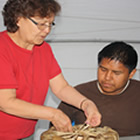
1 of 3Katie Ludwig, a First Nations elder who stays at the camp with students each summer, aids in cultural immersion. — Photo courtesy Scho...
In Canada, mines and potential mines often lie in or close to the traditional lands of First Nations people. When a mine is being considered or developed in such an area, important negotiations with First Nations are part of the process to ensure that their values, traditions and concerns for the land are respected. First Nations people can play a vital role as employees within the industry; therefore, opportunities for training and education are essential.
55 stories
British Columbia
1 of 3Katie Ludwig, a First Nations elder who stays at the camp with students each summer, aids in cultural immersion. — Photo courtesy Scho...
British Columbia
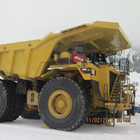
1 of 5The owners of the Huckleberry Mine southwest of Houston, B.C., are in the early stages of considering operating the mine beyond its ne...
British Columbia
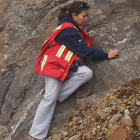
Site assessment training in a Northwest Community College School of Mining prospecting program. — Photo courtesy of Northwest Community Coll...
First Nations
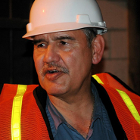
1 of 2Having worked in mines himself in every capacity, Jerry Asp knows the opportunities that await young aboriginal people who enter the m...
Education
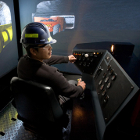
1 of 3Trainees with MTS's Underground Mining Program have an opportunity to work onsite with a mentor by their side. — Bill Braden photo cou...

First Nations
1 of 3Hans Matthews, president of the CAMA, giving a community workshop in Mongolia in July 2011 on the Oyu Tolgoi Mine. — Photo courtesy Ha...
Exploration
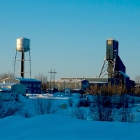
Manitoba's mining prospects, such as the recently reincarnated Snow Lake Mine (pictured here), are making investors and exploration companie...