Mining Communities Are Rewriting the Rules of Resource Development
Executive Summary
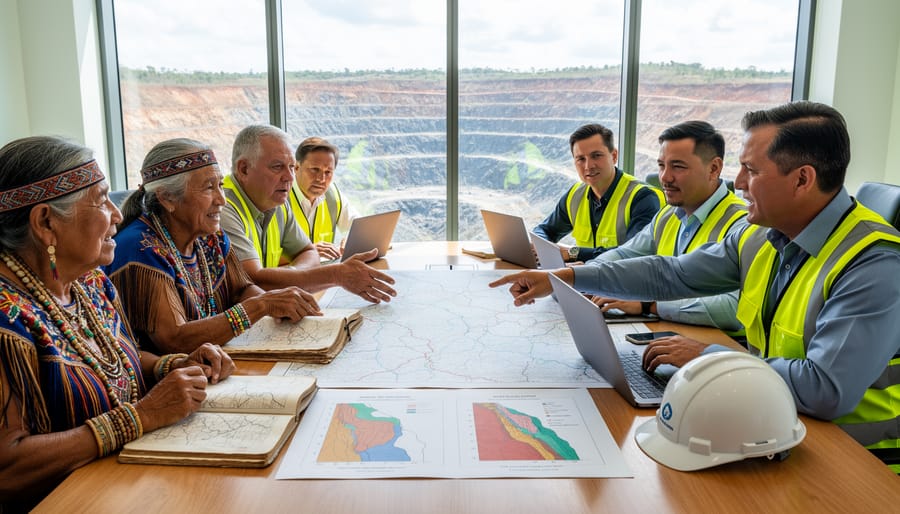
The shift has been driven by landmark legal decisions since the 1970s, particularly the Calder case and subsequent duty to consult rulings including Haida Nation and Taku River Tlingit, which established constitutional obligations for meaningful consultation before project approvals. Today's frameworks include environmental assessments, impact benefit agreements, and ongoing dialogue throughout mine lifecycles, though challenges remain in ensuring consultation processes genuinely incorporate Indigenous knowledge rather than simply checking regulatory boxes.
Modern mining communities in Indigenous territories are developing unique hybrid structures that blend industrial infrastructure with traditional ways of life. These include fly-in-fly-out operations alongside permanent Indigenous settlements, with community services increasingly funded through impact benefit agreements that recognize Indigenous governance structures. Economic opportunities extend beyond direct employment to local procurement initiatives, with some northern Saskatchewan operations sourcing up to 70 percent of goods and services from Indigenous businesses.
The transformation encompasses skills training programs, infrastructure investments, and business development initiatives designed to build lasting economic capacity that continues benefiting communities after extraction ends. This approach represents a pathway toward mining practices that respect Indigenous sovereignty while contributing to economic reconciliation and sustainable development across Canada.
AI-Generated Summary. This was written by a robot, not a human. It may contain errors, hallucinations, or confident-sounding nonsense. Always verify facts against the original source before making any decisions.
Full Press Release
Read the full
release here.
We've given you the AI-distilled summary above. For the full announcement, source data, and direct quotes, go straight to the publisher.
Aggregated Content
This article was imported from an RSS feed. Content and accuracy are the responsibility of the original publisher.
Related Stories
Providence Gold Reports Up to 8.0 g/t Au from Mojave Girl – Phase 2 Evaluation of Tarantula Gold Mine Set to Begin
3 hours ago
Exploration Midland complète un placement privé de 5,3 millions $
17 hours ago
Iconic Minerals Initiates Drilling at New Pass Gold Property, Nevada
23 hours ago
ARBOR METALS ANNOUNCES CLOSING OF PRIVATE PLACEMENT
1 day ago

DLP Resources Announces Closing of Brokered Offering for Gross Proceeds of C$6 Million
1 day ago