Discover by Category
Sustainability & Environment.
173 stories
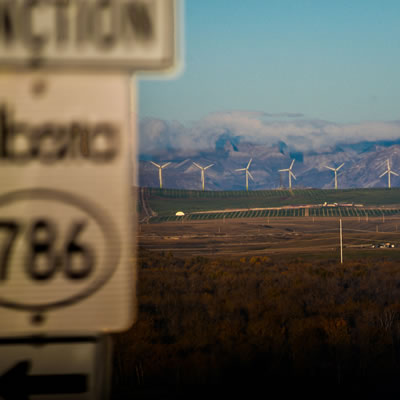
Energy winds are changing
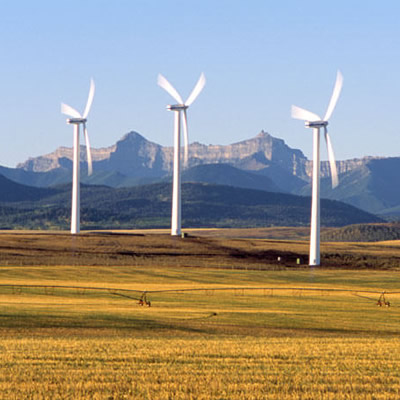
The Canadian Wind Energy Association released a study showing Alberta could achieve $3.7 billion in spending and create 15,000 job years if wind accounts for 90% of the province's 30 by 30 renewable energy goal. Alberta currently has 1,479 megawatts of wind capacity from 901 turbines, representing 6% of electricity demand, and is positioned to become a wind industry leader as it transitions from coal by 2030.
Market Report: How is Carbon Shaping Energy for Mines?
Mining companies are integrating carbon considerations into their energy strategies driven by carbon pricing and climate commitments. Teck Resources has committed to 100 MW of alternative energy by 2030 and sources 30% of its Chilean operations' energy from solar, while other miners pursue electrification and renewables to reduce emissions.
Solas lights the way for renewables
Solas Energy Consulting, founded by renewable energy veterans Paula McGarrigle and Evelyn Carpenter in 2009, is guiding clients through Canada's growing renewable energy sector. The company recently advised on Teck Resources' Wintering Hills wind farm acquisition and is actively involved in Alberta's 30 by 30 renewable energy initiative.
Renewable winds blow across Canada
3G Energy is developing a 150-200 MW wind farm in Saskatchewan while working with First Nations communities across Canada on renewable energy projects. The company positions wind power as cost-competitive at six cents per kilowatt hour and sees opportunities in battery storage and remote mining applications.
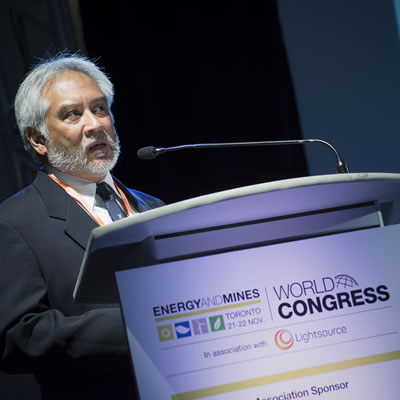
Carbon a key issue as global miners prepare to meet with renewables and low-carbon energy experts
The 5th annual Energy and Mines World Congress will take place November 27-28 in Toronto, bringing together global mining leaders and renewable energy experts to address carbon emissions and energy challenges in mining. Over 50 speakers from major companies including Barrick Gold, Newmont, and Anglo American will discuss low-carbon solutions and renewable energy adoption in mining operations.
Towards Zero Water
Goldcorp Inc. launched its Towards Zero Water (H2Zero) initiative aimed at eliminating water consumption at its mines within 10 years. The company is focusing on developing new crushing and grinding technologies that don't require water, along with improved tailings dewatering through its Eco-Tails Research program.
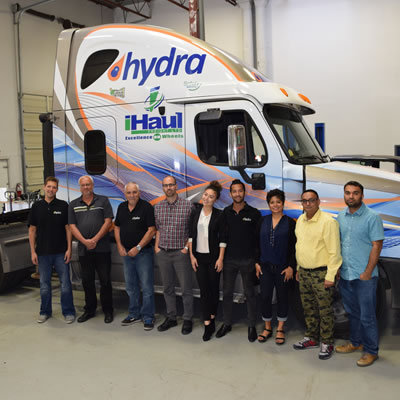
Fostering creative solutions to sustainability challenges
Foresight Cleantech Accelerator Centre, a BC-based non-profit, is connecting clean technology companies with resource industry challenges through its ARCTIC program. The accelerator has helped over 50 companies develop sustainable solutions including waste hydrogen capture for trucking and waste heat recovery for oil sands operations.
Minister’s statement about Mount Polley investigation
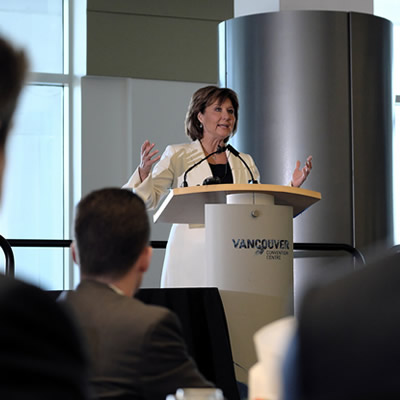
BC Environment Minister George Heyman issued a statement on the ongoing Mount Polley tailings breach investigation, noting the three-year anniversary marks the end of the statute of limitations for provincial charges. Federal charges under the Fisheries Act remain possible with more significant penalties.
Mining suppliers adopt a green future
The Mining Suppliers Association of British Columbia (MSABC) has appointed Rodger McLean as its new chair and is pivoting toward environmental responsibility and green technologies. The association is working with equipment suppliers to adopt technologies that minimize waste and carbon footprints while advocating for competitive fee structures and positive mining industry awareness in British Columbia.
New winds are blowing: Canada’s energy shifts to renewable resources
Canada is significantly shifting toward renewable energy, with wind power contributing 4% of national electricity generation in 2015. Alberta plans to add 5,000 renewable megawatts by 2030 and eliminate coal-fired power, while wind energy is expected to create 52,000 jobs through the WindVision 2025 initiative.
Gaping holes revealed in Arctic oil-spill response plans
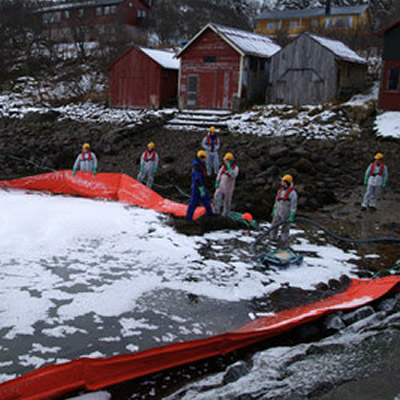
WWF-Canada released reports revealing major gaps in Arctic oil spill response preparedness, with remote communities lacking basic equipment, training, and reliable communications. The research found response times can be over 10 times longer than southern waters, leaving Arctic communities vulnerable as shipping traffic increases.
Kemess Underground Project granted environmental assessment approval
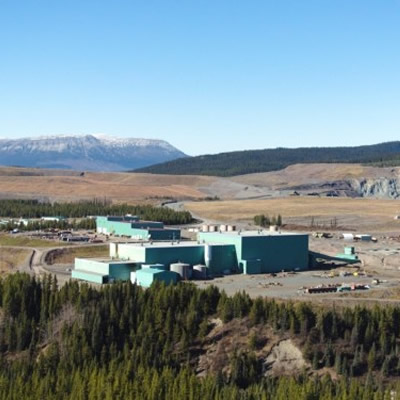
AuRico Metals Inc. has received environmental assessment approval for its $683.9 million Kemess Underground copper-gold project in northern B.C. The project will produce 24,650 tonnes of ore per day over 13 years and includes 33 legally-binding environmental conditions. This marks successful collaboration with First Nations and represents a significant milestone for underground mining development in the region.
Geoscience BC receives $10 million in new funding from BC government for earth science research
The BC government committed $10 million over two years to Geoscience BC for earth science research supporting mineral, water and energy development. The funding announcement was made at the Association of Mineral Exploration Round-up Conference in Vancouver. Since 2005, Geoscience BC has leveraged public funding to attract $22 million in private investment and BC's share of mineral exploration investment has increased 350% to 21% in 2015.
IKEA makes move to purchase second wind farm in Alberta
Ikea Canada acquired the 88-megawatt Wintering Hills Wind Power Facility near Drumheller, Alberta for $58.6 million in January 2017. This marks the company's second wind farm purchase in Alberta as part of its strategy to achieve energy independence by 2020.
Geothermal sustainability closer than ever in British Columbia
The Village of Valemount, British Columbia is working with Borealis Geothermal to develop a comprehensive geothermal energy project that would make it Canada's first geothermal village. The project aims to provide heating, create jobs, and diversify the local economy away from declining forestry through tourism, hot springs, and an industrial park powered by geothermal energy.
Inspiring a sustainable future
Ikea Canada is finalizing the acquisition of Wintering Hills, an 88-megawatt wind farm near Drumheller, Alberta for $58.6 million. The renewable energy facility is part of the company's goal to produce more renewable energy than their stores consume by 2020.
Wind energy continues strong growth in Canada in 2016
Canada's wind energy industry added 702 MW of new capacity in 2016 through 21 projects across Ontario, Quebec and Nova Scotia, bringing total installed capacity to 11,898 MW. The Canadian Wind Energy Association expects approximately 700 MW of additional capacity in 2017, with wind energy remaining one of Canada's most cost-competitive electricity sources alongside natural gas.
Grasshopper Solar commemorates 10th anniversary with launch of new Guaranteed Funding Program
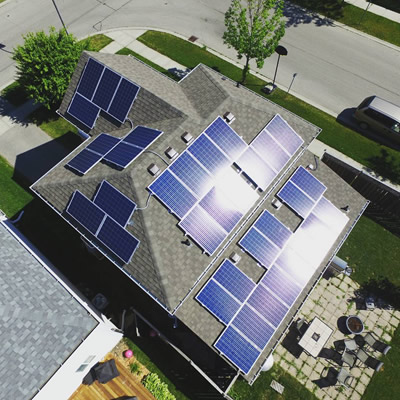
Grasshopper Solar launched its new Guaranteed Funding Program offering up to $30,000 to Ontario homeowners for solar installations at no upfront cost. The company is celebrating its 10th anniversary, having completed over 3,000 residential installations and managing Canada's largest residential solar fund with over 40MW of installed capacity.
Thompson Creek Metals wins mine reclamation award
Thompson Creek Metals (later acquired by Centerra Gold) won the 2015 BC Jake McDonald Annual Mine Reclamation Award for constructing three over-wintering ponds for rainbow trout at the Mount Milligan Mine in north-central BC. The award recognizes innovative environmental work in restoring land and fish habitat as part of a federally approved fish habitat compensation plan.
Teck Trail announces $174 million for new acid plant
Teck announced a $174 million investment in a new acid plant at its Trail Operations in BC, expected to be operational by summer 2019. The plant will reduce SO2 emissions by an additional 5% and create approximately 160 construction jobs.
Teck Trail operations completes $35 million investment to improve community air quality
Teck Trail Operations completed construction of a $35-million Smelter Recycle Building designed to reduce fugitive dust emissions by up to 25%. The facility will contain concentrate and in-process materials previously stored outside, improving community air quality by capturing and recycling dust into processing operations.
13 research projects deploy genomics to address challenges in Canada’s natural resources
The Canadian government announced $32 million in federal funding for 13 large-scale genomics research projects targeting natural resource challenges, with an additional $78 million from co-funders. The projects focus on applying genomic technologies to solve problems in mining, forestry, fisheries, and environmental protection, including climate change adaptation and water contamination prevention.
Crude oil tanker moratorium on British Columbia’s north coast
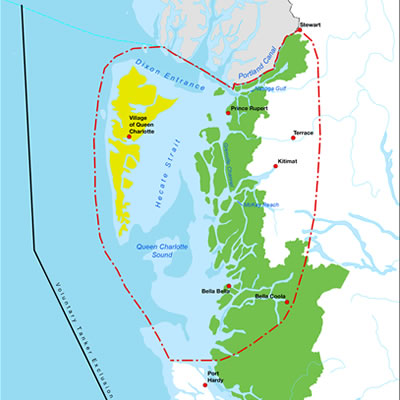
The Government of Canada announced plans to introduce legislation by spring 2017 formalizing a crude oil tanker moratorium on British Columbia's north coast, covering the Great Bear Rainforest area from Alaska to northern Vancouver Island. The moratorium will prohibit tankers carrying crude oil or persistent oil products from entering ports in the region, with penalties up to $5 million for violations.
Coal Association of Canada “disappointed” with federal coal phase-out announcement
The Coal Association of Canada expressed disappointment with the federal government's announcement to accelerate the phase-out of traditional coal-fired power generation by 2030. The organization advocates for investment in cleaner coal technologies and carbon capture storage rather than an accelerated phase-out that could result in job losses.